Why 2025 Demands a New Approach to Leather Care
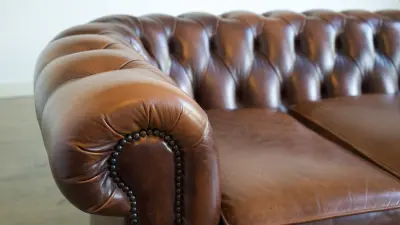
Leather is a biological material, essentially skin that has been tanned. Like your own skin, it requires a delicate balance of moisture and pH to prevent dehydration and cracking. In 2025, the market for leather care has shifted away from generic, wax-heavy wipes toward sophisticated chemical formulations that prioritize fiber integrity over temporary shine. Relying on outdated cleaning methods can strip away the natural oils, leading to irreparable damage.
Understanding the Chemistry of Leather Wipes
When you look at the ingredients of a high-end leather wipe, you are looking for specific functional components. Avoid wipes that list heavy silicones or high concentrations of alcohol as primary ingredients. Alcohol acts like a dehydrating agent—think of it like using hand sanitizer on leather; it pulls all the moisture out, causing the material to turn brittle over time.
- Surfactants: These are the cleaning agents. They break down the surface tension of dirt and oils. Think of them as tiny magnets that pull grime away from the leather grain.
- Humectants: These ingredients keep the leather supple. They act like a sponge, drawing moisture into the leather fibers to prevent cracking.
- pH Stabilizers: Leather has an acidic pH. Using a high-alkaline wipe disrupts this, eventually leading to rot. Always look for pH-balanced formulas to match the natural state of the hide.
- Polymers: These provide a protective barrier. They aren’t just for shine; they shield the leather from UV radiation and spills, essentially acting as an invisible raincoat.
Best Leather Wipes for 2025: Expert Selection
Not every wipe is created equal. Based on current chemical stability and performance metrics, these represent the best options for professional-grade maintenance in 2025.
1. Lexol All Leather Quick Care Wipes
Lexol remains the gold standard for a reason. Their formula avoids heavy oils that attract dust and instead uses a balanced micro-emulsion. It cleans without leaving a greasy residue, which is vital for car interiors where you do not want a slick steering wheel.
2. Weiman Leather Conditioning Wipes
Weiman stands out for its emphasis on UV protection. If your leather furniture is exposed to sunlight, the UV inhibitors in these wipes prevent the oxidation process that causes fading. It is a dual-action product that manages to clean and hydrate without overloading the pores of the leather.
3. Chemical Guys Leather Cleaner & Conditioner Wipes
For those who need a deep clean, this brand uses a concentrated formula that excels at removing stubborn body oils. It is particularly effective for high-touch areas like armrests or jacket collars, where sweat-induced acid buildup is common.
4. Armor All Leather Care Wipes
Ideal for quick, routine maintenance, these are best for finished automotive leather. They are convenient for removing dust and light debris, though they should be used as a supplement to deeper, semi-annual conditioning treatments rather than a complete substitute.
5. Meguiar’s Gold Class Leather & Vinyl Wipes
These wipes are engineered with a focus on finish restoration. They do not add a artificial plastic look; instead, they restore the factory-matte finish common in high-end luxury vehicles, protecting the surface while maintaining a premium feel.
Field Experience: Mistakes to Avoid
After years of working with various leather grades, I have seen many people cause accidental damage through improper usage. Follow these rules to keep your leather lasting for decades.
- Never wipe down hot leather: If your car seats have been baking in the sun, wait for the surface to cool. Cleaning hot leather causes the cleaning agents to evaporate instantly, potentially leaving streaks and causing uneven absorption.
- The Spot Test Rule: Always test a new wipe on an inconspicuous area, like the underside of a seat or a hidden seam. Some pigmented leathers can react to specific surfactants, leading to color bleeding.
- Avoid Suede and Nubuck: These wipes are formulated for finished, smooth leather. Using them on open-pored materials like suede will permanently stain and mat the nap of the fabric.
- Don’t Over-Saturate: You do not need to soak the material. Use the wipe just enough to lift the dirt. If the leather is soaking wet, you are using too much moisture, which can lead to mold growth in the fibers.
- Circular Motion vs. Wiping: Use a light circular motion to lift dirt from the crevices of the grain. If you just drag the wipe across the surface, you are essentially pushing dirt deeper into the leather pores.
The Maintenance Routine
True leather care is not about the wipe—it is about the frequency. Instead of one heavy cleaning session once a year, commit to a quick wipe-down every three weeks. This prevents the accumulation of acidic body oils and environmental pollutants that erode the finish. If you maintain this cycle, you will rarely need to perform deep, restorative conditioning, significantly extending the life of your leather goods.
Content updated on 2026-10-18