What are the best ways to cook for different dietary restrictions?
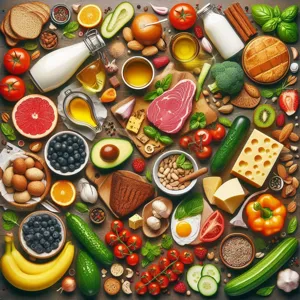
Cooking for dietary restrictions requires moving beyond simple ingredient swaps. You need to understand the molecular purpose of your ingredients to maintain texture and flavor. When you remove a core component like gluten or dairy, you must replace the function it provides, not just the flavor profile.
Understanding Ingredient Functions

To cook successfully without common allergens, think like a food scientist. Ingredients are tools. If you remove an egg, you lose structure. If you remove butter, you lose fat and moisture.
- The Binding Function: In gluten-free baking, lack of structure is the primary failure point. Use xanthan gum to provide elasticity. A general rule is 1/4 teaspoon per cup of flour. It acts like a glue holding your crumb together.
- The Fat Function: Dairy-free baking often turns dry. Use high-fat plant purees like avocado or coconut cream to mimic the richness of butter. These ingredients provide the same mouthfeel without the lactose.
- The Acidity Balance: When removing heavy fats, dishes often feel flat. Increase your use of vinegars, citrus juices, or fermented pastes like miso. Acid acts as a brightness booster that masks the absence of traditional stabilizers.
Managing Complex Allergies: Beyond Basic Substitutes
Complex allergies, such as multiple sensitivities to soy, nuts, and nightshades, require a systematic kitchen protocol. You cannot rely on store-bought substitutes which often contain hidden triggers.
- The Seed-Based Strategy: If a guest is allergic to nuts, rely on sunflower or pumpkin seed butter. These mimic the creamy texture of almond butter perfectly in both savory sauces and sweet baking.
- Nightshade-Free Flavor: Many people avoiding nightshades (tomatoes, peppers, potatoes) struggle with flavor depth. Replace paprika and chili with toasted cumin, coriander, and black garlic. These offer the same intensity without inflammatory triggers.
- Soy-Free Umami: Replace tamari with coconut aminos. It provides a similar salt-to-sweet ratio. For depth, utilize high-quality fish sauce or salt-cured mushrooms to build that savory foundation missing from soy-free meals.
Specific Recipe Adaptation: The Allergen-Friendly Base

Use this modular recipe strategy to ensure safety without cooking three separate meals. A professional kitchen approach is to build a foundation that is naturally free of the eight major allergens.
Example: The Herb-Roasted Grain Bowl
- The Base: Start with quinoa or millet. These are naturally gluten-free and have a high protein content.
- The Protein: Roast chicken or chickpeas with olive oil, turmeric, and garlic. Keep these distinct from one another on the sheet pan.
- The Dressing: Create a vinaigrette using cold-pressed olive oil, fresh lemon juice, and Dijon mustard. This is inherently dairy, soy, nut, and gluten-free.
- The Texture: Add fresh radish, toasted pumpkin seeds, or pomegranate seeds. These offer the crunch usually provided by nut toppings or croutons.
Cross-Contamination: A Pro-Level Protocol
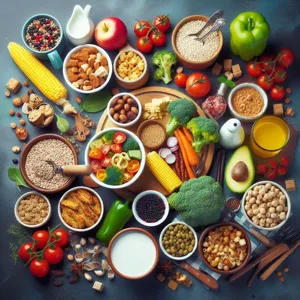
If you are cooking for someone with celiac disease or severe anaphylaxis, your standard cleaning routine is insufficient. Cross-contamination is often invisible.
- Porous Surfaces: Wood, bamboo, and silicone are magnets for proteins like gluten or peanut oil. If you have prepared wheat or nuts on a wooden board, you cannot effectively clean it for an allergic guest. Use dedicated glass or metal boards.
- The Toaster/Oven Rule: Never use a shared toaster. Crumbs are the number one cause of accidental exposure. Use a dedicated toaster bag or use the oven broiler to toast bread safely.
- Label Verification: Always look for the ‘Certified Gluten-Free’ or ‘Allergen-Free’ logo on packaging. Do not rely on ingredient lists alone, as ‘natural flavors’ can often mask hidden allergens.
Common Pitfalls to Avoid
Do not attempt to ‘re-create’ classic recipes. Making a gluten-free croissant or a soy-free teriyaki sauce is a recipe for frustration. Focus on recipes that are naturally inclusive.
- Stop Substituting, Start Pivoting: Instead of making a ‘fake’ pasta, make a risotto. Risotto is naturally gluten-free and relies on technique rather than replacements.
- Ignoring Texture: Many cooks focus so much on flavor that they forget texture. If you remove gluten, you need to add protein-rich flours like chickpea or buckwheat to maintain a ‘bite’ in your baked goods.
- Over-Complicating: Don’t try to use five different flours to mimic wheat. Use one high-quality, pre-mixed gluten-free flour blend. These are engineered to balance moisture and structure, saving you from trial-and-error failures.
Content updated on 2026-08-31