Mastering Large-Scale Cooking: Efficiency Strategies for Crowds
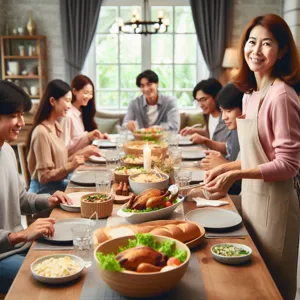
Cooking for twelve people is fundamentally different from preparing dinner for four. When you scale up, the margin for error shrinks. You are no longer just a cook; you are a production manager. If you rely on restaurant-style techniques that require constant attention, you will spend your entire event isolated in the kitchen.
Strategic Menu Engineering
Stop choosing recipes that demand your presence at the stove. If your menu requires individual searing or constant monitoring, you have failed the planning phase. Focus on high-yield, low-maintenance dishes.
- Embrace passive cooking: Braises, pot roasts, and oven-baked risottos are forgiving. They taste better after sitting for twenty minutes.
- The Component Strategy: Avoid single complex dishes. Build a modular system like a street taco bar. Keep proteins, salsas, and grains in separate containers.
- Temperature Balancing: Ensure only 30% of your menu requires the oven. The rest should be cold salads or room-temperature sides to prevent oven bottlenecks.
Quantifiable Efficiency: The Math of Feeding
When shopping for a crowd, assume a standard appetite. Plan for 6 to 8 ounces of protein per person. If you are serving a slow-cooked pork shoulder, account for a 30% weight loss during the cooking process. For a group of 15, you need at least 8 to 9 pounds of raw meat to ensure everyone gets a generous portion.
Hardware Requirements for Bulk Production
Using home-sized equipment for volume is the primary cause of culinary failure. Trying to boil pasta for twenty in a standard 6-quart pot will result in starch-clogged, uneven noodles. Use tools that match your output.
- The 16-Quart Stockpot: This is the workhorse. You need it for large-batch boiling, stocks, or chili. Anything smaller is insufficient for groups over ten.
- Commercial Half-Sheet Pans: These fit perfectly in standard ovens. They maximize surface area for roasting vegetables or baking protein.
- The Digital Probe: Never guess internal temperature. A $20 digital probe thermometer eliminates the need to slice into meat, which keeps juices inside and ensures safety.
The Rule of Mise en Place
In a professional kitchen, mise en place is not just about organizing; it is about cognitive load reduction. It means having every ingredient chopped, measured, and positioned before the heat goes on.
Pro Tip: Spend your pre-event time on ‘cold’ prep. Making dressings, slicing cold vegetables, or portioning garnishes 24 hours in advance saves you 60 minutes of stress during the actual service.
Common Pitfall: The Cleanup Bottleneck
Many hosts wait until the end of the meal to start cleaning. This is a mistake. Integrate ‘clean-as-you-go’ protocols. Have a dedicated bin for dirty prep tools before guests arrive. By the time the main course is served, your prep sink should be empty.
Budgeting for Large Groups
Protein is your biggest expense. Avoid premium, fast-cooking cuts like tenderloin or breast. Instead, opt for cuts that benefit from long, slow cooking. Pork shoulder and bone-in chicken thighs are roughly 40% cheaper per pound and offer more flavor due to higher collagen content.
Bulk Buying Rule: Only buy aromatics like onions, garlic, and carrots in bulk. These ingredients act as the base for almost every dish and rarely spoil. Never bulk-buy specialty produce that will wither within 48 hours.
Buffet Logistics: Managing the Flow
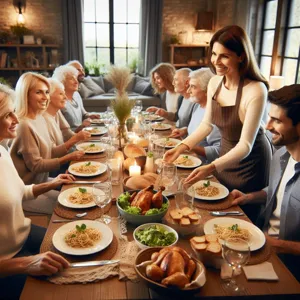
Avoid family-style service for crowds over ten people. It creates traffic jams and leads to cold food. A buffet is more efficient if organized correctly.
- The Flow Loop: Place plates at the start and cutlery at the end. This prevents guests from holding heavy plates while searching for forks.
- Visual Height: Use boxes or small crates under platters to create layers. This makes the buffet look abundant and makes food easier to reach.
- Hot vs. Cold Zones: Physically separate the two. A common mistake is placing hot trays next to cold salads, which ruins the texture of both.
Maintaining Food Safety
Bacteria thrive in the ‘Danger Zone’ between 40°F and 140°F. Never leave perishable items out for more than two hours. For large groups, use chafing dishes or slow cookers on low settings to keep hot food above 140°F. If you lack professional equipment, place bowls of cold food inside larger bowls filled with crushed ice. This simple setup keeps food safe and crisp for up to four hours.
Final Advice: The Art of Delegation
Do not be a hero. You are the host, not the waitstaff. If you are handling the food, designate a friend to be in charge of drink refills and another for dish management. When you delegate, you remain present. A host who is relaxed and interacting with guests creates a better atmosphere than a host who is hovering over a stove.
Content updated on 2026-10-17