Why Two Hours is Your Hard Limit for Cooked Chicken
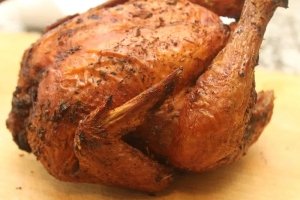
You finished dinner and the leftover chicken is sitting on the counter. Maybe you are waiting for it to cool down before putting it away. This two-hour window is not a suggestion; it is a hard safety limit set by food scientists. If you exceed this, you are entering a high-risk zone for foodborne illness.
Think of the Danger Zone (40°F to 140°F) as a busy highway. Bacteria thrive in this specific temperature range. When your chicken is warm, bacteria multiply at a staggering rate, doubling their population every 20 minutes. Your kitchen counter is essentially a buffet for invisible pathogens.
The One-Hour Rule for Hot Weather
Standard guidelines suggest two hours, but your environment matters. If your kitchen temperature exceeds 90°F during the summer or a heatwave, that time window drops to one hour. Heat acts as an accelerator for bacterial growth.
Do not rely on your senses to judge safety. Bacteria like Salmonella or Staphylococcus do not produce a foul odor or change the texture of the meat until the contamination level is already dangerous. By the time the chicken smells or looks off, it is already too late.
Cooling Tactics for Maximum Safety
Putting a giant, piping-hot bird directly into the fridge can actually backfire. It raises the internal temperature of your refrigerator, which puts your other perishable food at risk of spoilage. Use these professional techniques to bridge the gap between oven and fridge safely.
- Break it down: Slice a whole chicken into individual portions. Smaller pieces release heat significantly faster than a dense mass.
- Use shallow containers: Avoid deep plastic bowls. Spread the chicken in a single layer on a shallow tray so the cold air of the fridge can circulate around it.
- Leverage the ice bath: If you are in a rush, place your container in a larger bowl filled with ice and water. This brings the chicken down to a safe temperature in minutes, not hours.
- Wait for the steam to clear: Do not seal a lid on piping-hot chicken. Condensation creates moisture, which is the exact environment bacteria need to thrive.
Common Mistakes That Lead to Illness
Even cautious home cooks make errors that compromise food safety. Review these habits and adjust your routine today.
- The overnight cooling mistake: Never leave chicken out overnight. It never reaches the safe zone fast enough, and the room temperature acts as an incubator for pathogens.
- The repetitive reheating cycle: Only remove the amount of chicken you plan to eat. Reheating the entire portion repeatedly creates fluctuating temperatures that allow bacteria to reactivate.
- Ignoring the internal temp: Aim to get your chicken below 40°F as quickly as possible. Every minute saved is a minute where bacteria are not multiplying.
Professional Insight: When to Toss It
In a professional kitchen, we follow a strict policy: when in doubt, throw it out. If you cannot track the exact time the chicken spent on the counter, it is not worth the medical risk. The cost of a few chicken breasts is negligible compared to a severe case of food poisoning.
Foodborne illness often results in severe dehydration, high fever, and days of total physical depletion. It is rarely just a minor stomach ache. If that two-hour limit has passed, do not try to save it or kill the bacteria by reheating. Toxins produced by bacteria are often heat-stable, meaning they survive the cooking process even if the bacteria themselves die.
Refrigeration and Freezing Logistics
Once your chicken is cooled, move it to the coldest part of your fridge. Ensure your refrigerator is consistently set to 40°F or below. Use a small thermometer to verify this; do not trust the built-in dial on the appliance.
You have a three to four-day window to consume leftovers stored in the fridge. After this, the quality degrades and the risk of spoilage increases. If you do not plan to eat the leftovers by the fourth day, move them to the freezer immediately.
When you need to thaw frozen chicken, never leave it on the counter. Thaw it in the refrigerator overnight. This keeps the meat within a safe, controlled temperature range until you are ready to heat it up for your next meal.