
The Metabolic Logic of Intermittent Fasting
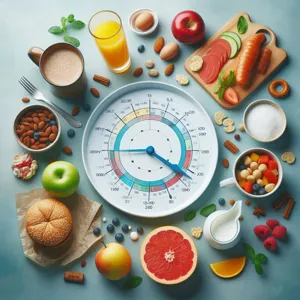
Intermittent fasting (IF) functions as a strategic metabolic reset. Think of your body as a dual-fuel vehicle that typically runs on high-octane glucose from your last meal. When you eat constantly, your system never hits ‘reserve mode.’ By establishing structured fasting windows, you force your metabolism to drain its glucose stores and pivot toward adipose tissue for fuel.
This shift goes beyond simple calorie counting. When you are not digesting food, your insulin levels drop. Low insulin is the biological ‘green light’ that allows your body to access stored energy. This is why many people find IF more effective for changing body composition than traditional, restrictive dieting.
The Cellular Benefits: Beyond Weight Management

Fasting triggers deep biological repair processes that go largely unnoticed until they manifest as improved longevity. These mechanisms are central to how your body sustains health over time.
- Autophagy induction: This is your body’s automated maintenance system. During fasting, cells identify and dismantle damaged proteins or malfunctioning organelles. Think of this as a deep-clean for your cellular kitchen, removing clutter to make space for healthy new growth.
- Insulin sensitivity: Constant snacking keeps the pancreas on high alert, causing insulin levels to remain elevated. Fasting allows your cells to recalibrate, making them more receptive to insulin and significantly reducing the risk of metabolic syndrome.
- Systemic inflammation reduction: Chronic low-grade inflammation acts like a slow leak in a tire. Fasting lowers markers of oxidative stress, effectively tightening the pressure across your biological systems.
Cognitive Resilience and Brain Function
You may notice a surge in mental clarity during the latter half of a fast. This is not a coincidence. When your body transitions to fat oxidation, the liver releases ketones. These molecules act as a high-efficiency fuel for your brain, providing a steady stream of energy compared to the volatile ups and downs of sugar-based metabolism.
IF also boosts Brain-Derived Neurotrophic Factor (BDNF). You can visualize BDNF as a fertilizer for your neural network. It supports the survival of existing neurons and encourages the creation of new synapses, which is vital for maintaining long-term sharpness and neuroplasticity.
Common Pitfalls and Tactical Adjustments

Transitioning to IF requires more than just skipping breakfast. Many people stumble because they ignore the signals their body sends. Use these tactical adjustments to maintain performance without crashing.
- The Protein Anchor: Fasting creates a deficit, but your muscles still need maintenance. Ensure your eating window includes high-quality protein to prevent muscle loss. Treat protein as the structural bricks of your house that must be replaced daily.
- The Electrolyte Correction: When insulin drops, your kidneys excrete more sodium. If you feel lightheaded, you are likely experiencing an electrolyte imbalance rather than true hunger. A pinch of sea salt in your water often resolves this instantly.
- The Feast-to-Famine Trap: Do not use your eating window as an excuse to binge on ultra-processed foods. Quality input remains essential for quality output. If you fuel with poor ingredients, your body will struggle to recover effectively.
Real-World Consistency: The 80/20 Approach
The most common cause of failure is rigid, unsustainable protocols. If you treat fasting like a prison sentence, you will eventually break the lock. I recommend the 80/20 rule: apply your fasting protocol for 80% of the week and allow flexibility for social events or high-stress days.

If you are using the 16/8 method, do not hesitate to shift your window to accommodate family dinners or late events. The metabolic benefits do not disappear because you broke your fast two hours early on a Saturday. Consistency over the long term beats short-term perfection every time.
Critical Safety Checks
Fasting is a healthy hormetic stressor, but it is not for everyone. Some individuals should proceed with extreme caution or avoid it entirely.
- Hormonal sensitivity: Women may notice changes in menstrual cycles or thyroid signaling when fasting windows are too aggressive. If you experience hair thinning, cold extremities, or persistent irritability, shorten your windows immediately.
- Medical dependencies: If you are on medication for hypertension or type 2 diabetes, you must consult your physician. Fasting can lower your blood sugar or blood pressure to levels that require immediate medication dosage adjustments.
- Psychological history: Anyone with a history of eating disorders should avoid IF entirely. Restrictive patterns can easily re-trigger old behaviors, creating a health risk that outweighs any potential metabolic gain.
Actionable Starting Protocol
Do not jump into a 20-hour fast immediately. Start with a 12-hour window—finish your last meal at 8:00 PM and begin your next at 8:00 AM. This is a gentle introduction that aligns with your natural circadian rhythm. Extend your fast by one hour every few days as you monitor your sleep quality, mood, and daily energy. If you feel energized and mentally alert, your protocol is working; if you feel depleted, you are moving too fast.
Content updated on 2026-10-10