Understanding your gut ecosystem
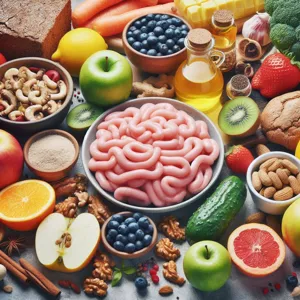
Think of your digestive tract as a bustling city. The residents are trillions of bacteria, viruses, and fungi collectively called the microbiome. When this city is well-managed, it processes nutrients, trains your immune system, and produces neurotransmitters like serotonin. When it is neglected, you face systemic inflammation, fatigue, and digestive distress.
You cannot achieve gut health through supplements alone. Your internal city requires specific raw materials to function. If you view your gut as a garden, you are the head gardener. You need to provide the right nutrients—fertilizer—to help beneficial microbes outcompete harmful ones.
Probiotics and prebiotics: The synergy of digestion
To improve your gut, you must master the difference between two concepts: probiotics and prebiotics. Think of probiotics as the new construction workers moving into your city, and prebiotics as the food supply they need to do their jobs.
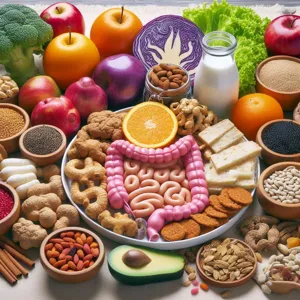
If you take a probiotic supplement but do not eat prebiotic fiber, your new workers will starve and leave. If you eat fiber but have no beneficial bacteria to process it, you create excess gas without the health benefits. You need both to build a resilient digestive wall.
Fermented foods: The probiotic delivery system
Fermentation is a chemical process where microorganisms convert carbohydrates into alcohol or acids. These acids act as a preservative and create a dense population of beneficial microbes. Including fermented foods in your diet acts as a regular delivery of reinforcements for your microbiome.
- Sauerkraut and Kimchi: Focus on raw, unpasteurized versions. Heat kills bacteria, so if you buy them in a shelf-stable jar, you are essentially eating dead microbes.
- Kefir: This fermented milk drink contains a wider variety of bacterial strains than standard yogurt.
- Kombucha: A fermented tea that provides probiotics, though be wary of the sugar content.
Field Tip: Always look for the refrigerated section. If the product was canned at high heat, the label might say “contains live cultures,” but those are often added post-processing and are less effective than naturally fermented colonies.
Fiber: The essential fuel for your microbes
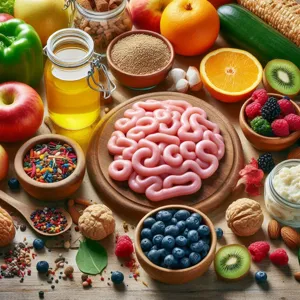
Fiber is the structural part of plants that humans cannot digest. However, your gut bacteria love it. When bacteria ferment this fiber in your colon, they produce short-chain fatty acids (SCFAs) like butyrate. Butyrate acts like a fuel source for your colon lining, keeping it strong and preventing the “leaky gut” phenomenon where toxins enter your bloodstream.
- Resistant starch: Found in cooled potatoes, lentils, and green bananas. It resists digestion in the small intestine, arriving at the colon intact as a feast for bacteria.
- Inulin: A soluble fiber in garlic, onions, and leeks. It acts as a prebiotic specifically designed to feed bifidobacteria.
- Beta-glucans: High amounts in oats and barley help modulate blood sugar and provide a smooth, consistent fuel source for your microbiome.
Polyphenols: The inflammation moderators
Polyphenols are plant compounds that act like antioxidants for your gut cells. They reduce inflammation and feed specific beneficial bacteria. Think of these as the security guards of your gut, ensuring that inflammation does not damage the delicate lining of your intestines.
Focus on dark pigments: blueberries, blackberries, dark chocolate with 85% cocoa, and extra virgin olive oil. These are potent tools to maintain a balanced microbial environment.
Common pitfalls in gut health
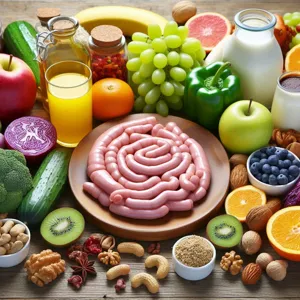
Changing your diet too aggressively often causes more harm than good. Here are two mistakes to avoid:
- The Rapid Fiber Overload: If you suddenly triple your fiber intake, your gut bacteria will ferment it too quickly. This creates a massive amount of gas, leading to bloating and pain. Increase your fiber intake by small increments over four to six weeks to give your microbiome time to adapt.
- The “Health Food” Sugar Trap: Many probiotic-labeled yogurts contain 15 grams of added sugar. High sugar intake feeds candida and other pathogenic bacteria that compete with your good flora. Always check the label for added sugars; if the first three ingredients include syrup or sugar, put it back.
Building a sustainable gut protocol
You do not need a restrictive diet to improve your gut. You need to focus on diversity and consistency. Follow these three rules to foster a resilient internal environment.
- The 30-Plant Challenge: Aim to eat 30 different plant foods per week. This sounds difficult, but spices, herbs, nuts, and seeds count. A higher variety of plant fibers leads to a higher variety of bacterial species.
- Hydration is mandatory: Fiber acts like a sponge. If you eat high-fiber meals without drinking enough water, the fiber will clump up, leading to constipation rather than regularity.
- Master your mastication: Digestion is a mechanical process. Your saliva contains enzymes like amylase that begin breaking down starches before the food enters your stomach. If you swallow food whole, you force your stomach to work twice as hard. Chew until your food loses its texture.
Monitor your progress by keeping a simple log. Note how you feel after meals containing specific fibers or fermented foods. If a certain food consistently causes distress, remove it for two weeks and reintroduce it slowly. Your gut health is a long-term investment, not a short-term fix.
Content updated on 2026-10-10