What are the best gluten-free recipes?
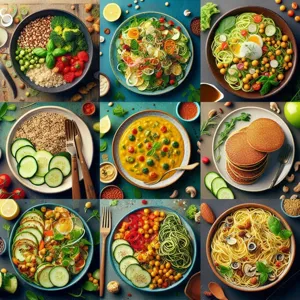
Transitioning to a gluten-free diet often feels like a technical hurdle. Many home cooks struggle with textures that crumble or flavors that lack depth. The secret to success lies in understanding that gluten-free cooking is not about subtraction, but about choosing the right replacements. Once you master the mechanics of flours and binding agents, you unlock a versatile kitchen repertoire that matches traditional cooking in both texture and taste.
Understanding Gluten-Free Flour Chemistry
Gluten is a protein that acts like a structural web in wheat dough. When you remove it, you lose that essential elasticity. To compensate, you must act as the engineer of your own dough. Use a binding agent like xanthan gum in your baking. Think of xanthan gum as the architectural scaffolding that keeps your bread or muffins from collapsing when the wheat protein is absent.
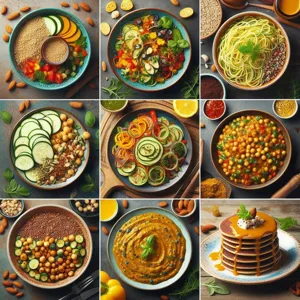
Regarding your choice of flours, never treat them as interchangeable. For instance, almond flour is high in fat and provides moisture, whereas rice flour is dry and acts as a structural filler. A balanced gluten-free blend typically uses a mix of a structural flour like sorghum or millet, a light starch like potato or tapioca, and a binder. Always measure your flours by weight. Volume measurements using cups are notoriously inaccurate because gluten-free flours settle differently in a container.
Essential Recipes for Your Gluten-Free Kitchen
These recipes focus on structural integrity and flavor density, ensuring you avoid the common pitfalls of dry or tasteless meals.
Fluffy Almond Flour Pancakes
Almond flour is excellent for high-protein breakfasts. Whisk 2 cups of finely ground almond flour, 2 large eggs, 1/4 cup of almond milk, and 1/2 teaspoon of baking powder. If the batter is too thick, add one extra tablespoon of milk. Cook on medium-low heat. Almond flour contains natural sugars that brown much faster than wheat, so keep a close eye on your skillet to prevent burning.
Zucchini Noodle Pesto Pasta
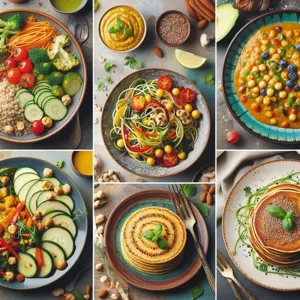
Processed gluten-free pastas often turn to mush. Use a spiralizer on raw zucchini for a firmer texture. Sauté the strands for exactly 60 seconds. If you overcook them, the zucchini releases water and ruins your sauce. Toss with a fresh pesto of basil, pine nuts, olive oil, and parmesan. The result is a high-impact meal that maintains a satisfying crunch.
Flourless Dark Chocolate Cake
This dessert relies on the coagulation of eggs rather than gluten for structure. Melt 200g of 70% dark chocolate with 100g of butter. Fold in 3 beaten eggs and a splash of vanilla extract. Bake in a round tin at 170°C for 25 minutes. The center should remain slightly soft, creating a dense, professional-grade texture that requires almost no technical skill.
Chewy Chocolate Chip Cookies
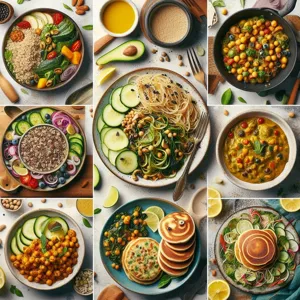
The biggest mistake in gluten-free baking is omitting the chilling step. Combine 2 cups of certified gluten-free oat flour, 1/2 cup of brown sugar, one egg, and 1/2 cup of softened butter. After mixing in chocolate chips, place the dough in the refrigerator for at least one hour. Chilling allows the flour to hydrate fully and prevents the butter from melting too quickly, which keeps your cookies from spreading into flat, greasy puddles.
Creamy Mac and Cheese
Standard rice pasta often disintegrates in boiling water. Use chickpea or lentil-based pasta instead. These varieties hold their shape and provide extra protein. For the sauce, create a roux using butter and a small amount of cornstarch rather than wheat flour. Slowly whisk in warm milk and sharp cheddar. Cornstarch acts as a stabilizer, ensuring a velvety finish that clings to the noodles.
Field Experience: Mistakes to Avoid
- The Resting Period: Never skip resting your batter. Let your gluten-free mixtures sit for 15 minutes before cooking. This ensures the flour particles absorb the liquids, effectively removing the sandy, gritty texture often found in store-bought gluten-free baked goods.
- Moisture Management: Gluten-free goods lose moisture rapidly. Store your finished products in airtight containers at room temperature. If you do not plan to eat them within 24 hours, freeze them immediately to lock in the moisture.
- Cross-Contamination Risks: If you share your kitchen, be wary of shared surfaces. Residual wheat flour hides in the scratches of wooden spoons and the slots of toasters. Keep a dedicated set of non-stick spatulas and a separate toaster if you are cooking for someone with celiac disease.
- The Hydration Trap: Many beginners add too much liquid when a recipe seems dry. Always verify if the recipe requires a resting period first. Often, what looks like a dry dough is simply flour that has not yet had time to hydrate.
Mastering these fundamentals shifts your perspective from seeing gluten-free cooking as a restriction to seeing it as a technical challenge. By prioritizing weight-based measurements, proper flour selection, and consistent resting times, you can replicate high-quality baked goods and savory meals with complete confidence.
Contenu mis a jour le 2026-08-22