Mastering the Best Vegetarian Recipes: A Practical Guide
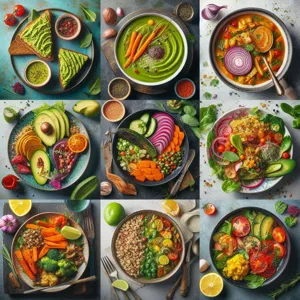
Vegetarian cooking is often overcomplicated by unnecessary flair. The reality is simple: focus on texture, seasoning, and balancing macronutrients. Whether you are cutting down on meat or eating plant-based full-time, the objective is to create meals that are satiating rather than just “light.”
1. The Golden Rule of Plant-Based Satiety
The biggest mistake beginners make is building meals around vegetables alone. Without a dense protein and fat source, you will be hungry again in an hour. Think of your plate as a construction project:
- The Foundation: Whole grains (quinoa, brown rice, farro).
- The Structural Support: Plant protein (lentils, chickpeas, tofu, tempeh).
- The Flavor: Roasted vegetables, fresh herbs, and an acidic finish.
- The Glue: Healthy fats like avocado, nuts, or tahini dressings.
2. High-Protein Chickpea Coconut Curry
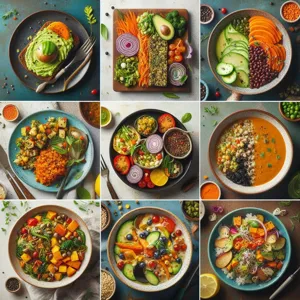
This is the ultimate “pantry staple” meal. It relies on canned goods but delivers restaurant-quality depth.
- Sauté: One diced onion, three cloves of garlic, and 1 tablespoon of grated ginger in oil until soft.
- Bloom Spices: Add 1 tbsp curry powder and 1/2 tsp turmeric. Stir for 60 seconds to release the oils.
- Simmer: Add two cans of chickpeas (drained) and one can of full-fat coconut milk. Simmer for 15 minutes.
- Finish: Stir in a handful of fresh spinach and a squeeze of lime juice right before serving.
3. Roasted Vegetable Quinoa Bowl
Raw salads are often lackluster. Roasting your vegetables completely changes the profile by caramelizing natural sugars. Use sweet potatoes, broccoli, and red onion. Toss them in olive oil, cumin, and sea salt at 400°F (200°C) for 25 minutes. Serve over fluffy quinoa with a tahini-lemon dressing. The tahini acts as a creamy binder that mimics the satisfaction of a dairy-based sauce.
4. The “No-Soggy” Zucchini Noodle Strategy
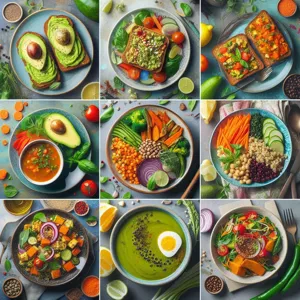
Zucchini noodles often turn into a watery mess. The secret is speed and salt. After spiralizing, place the noodles on a paper towel and sprinkle lightly with salt for 10 minutes to draw out excess moisture. Pat them dry before tossing them in a hot pan with pesto for no more than 90 seconds. You want them to retain a slight “al dente” bite.
5. Error to Avoid: Relying on Processed Meat Substitutes
Many people switch to vegetarianism and immediately start eating highly processed “fake meat” burgers. These are often high in sodium and lack the fiber of whole plants. Use meat substitutes sparingly. Instead, learn to season mushrooms or jackfruit; their texture can mimic meat perfectly when seared properly in a cast-iron skillet.
6. The Art of the “Hash” for Quick Dinners
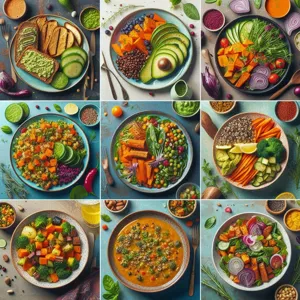
A hash is the ultimate low-effort, high-reward meal. Cube sweet potatoes into small, uniform pieces to ensure they cook at the same rate as your onions or peppers. Sauté them in a heavy skillet until golden brown. Once tender, throw in a massive pile of kale—it will wilt down to a fraction of its size. Top with a fried egg or crumbled tempeh for protein.
7. Essential Pantry Inventory
To cook efficiently, you need these items always on hand:
- Legumes: Canned chickpeas, black beans, and dry red lentils.
- Grains: Quinoa, basmati rice, and rolled oats.
- Aromatics: Garlic, onions, and fresh ginger.
- Acids/Umami: Soy sauce (or tamari), apple cider vinegar, and nutritional yeast.
8. Experience-Based Advice for Success
Don’t try to replicate a steak dinner using vegetables. You will be disappointed. Focus on dishes where plants are the intended star, such as Thai curries, Mediterranean grain bowls, or Mexican-style bean dishes. When you stop comparing your meal to a cut of meat, you stop noticing the “missing” ingredient and start appreciating the complexity of the flavors you have created.
Content updated on 2026-08-28