Mastering the Best Ways to Cook Fish
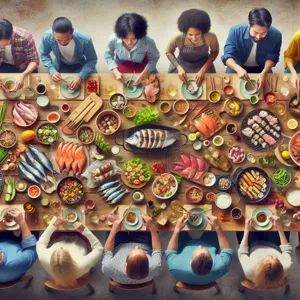
Many home cooks view fish as a fragile ingredient that is prone to drying out or falling apart. You do not need to be a professional chef to achieve restaurant-quality results. The secret lies in understanding how heat changes protein structures. Think of fish muscle like a tightly woven fabric; once you apply heat, the fibers contract. If you use too much heat for too long, the threads snap, resulting in a dry, unappealing meal. Master these fundamental techniques to transform your kitchen results.
The 10-Minute Rule for Perfect Doneness

The biggest challenge is knowing when the fish is finished. Forget the guesswork and use the 10-minute rule. Measure the thickness of your fish at its widest point. For every inch of thickness, cook the fish for 10 minutes at 400°F (200°C). This rule works for baking, poaching, or roasting. Treat this as a baseline, not a timer that runs on autopilot. You should check the texture manually by using a fork to gently press the center. If it flakes easily along the natural muscle lines, the protein is perfectly cooked.
Pan-Searing: Achieving the Professional Crust
Pan-searing is the most effective way to create a savory, crispy crust while keeping the interior succulent. This technique works best for firmer fish like salmon, sea bass, or snapper.
- Eliminate surface moisture: Moisture is the enemy of a sear. Use a paper towel to pat your fillets until they are bone-dry. Any residual liquid creates steam, which prevents the skin from crisping.
- Heat management: Use a cast-iron skillet and let it reach a high temperature before adding your oil. If the oil does not shimmer, the fish will stick.
- The hands-off approach: Once the fish hits the pan, leave it alone. Do not attempt to move or flip it for at least three minutes. The fish will naturally release from the pan once a proper crust has formed.
Gentle Poaching for Delicate White Fish

Poaching is ideal for flaky, mild fish like cod or halibut. It ensures the fish remains tender by cooking it in a liquid below the boiling point. Think of this process like a slow, warm bath rather than a frantic boil.
- Flavor the liquid: Create a poaching stock using white wine, water, sliced lemon, fresh peppercorns, and aromatics like fennel or shallots.
- Maintain the simmer: The liquid should never bubble aggressively. Keep it at a gentle simmer where small bubbles rise occasionally. High heat will toughen the fish and destroy its structure.
- Consistency is key: Ensure the fillets are almost completely submerged in the liquid to ensure even heat distribution.
Strategies for Grilling Success
Grilling adds a smoky profile that enhances oily fish like tuna or mackerel. The most common failure point is the fish adhering to the grill grates. Follow these tactical adjustments to prevent this.
- Prepare the equipment, not the fish: Brush your grill grates with a high-smoke-point oil like grapeseed oil. This creates a non-stick surface, which is more effective than oiling the fish itself.
- Leverage the skin: Always cook fish with the skin side down. The skin acts as a protective shield between the direct flame and the soft protein.
- Use a dedicated basket: If you are working with softer fillets, invest in a stainless steel grill basket. This allows you to flip the fish without the risk of it splitting in two on the grates.
Essential Tools for Precision Results

Stop fighting your cookware. Certain tools will significantly improve your consistency.
- Fish Spatula: Unlike standard turners, a fish spatula is thin, long, and slightly flexible. It is designed to slide gently under delicate fillets without damaging the underside.
- Instant-Read Thermometer: Never rely on visual estimates alone. Fish is considered safe at 145°F (63°C). Remove the fish from the heat source when it reaches 140°F (60°C); carry-over cooking will bring it to the perfect temperature while it rests.
- Parchment Paper: When baking white fish, place it on a sheet of parchment. This prevents the fillet from sticking to the tray and helps trap moisture around the fish.
Professional Return on Experience: Common Errors
Avoiding these common mistakes will move your cooking to the next level.
- Don’t salt too early: Salt draws moisture out of the muscle fibers. If you salt your fish 30 minutes before cooking, the texture will become gummy. Always salt immediately before placing it in the pan.
- Prioritize the resting phase: Allow your fish to rest for three minutes after cooking. This allows the internal juices to redistribute. Skipping this step means all the moisture will run out as soon as you make the first cut.
- Quality matters more than freshness labels: A strong, fishy smell is a warning sign of degradation. If your local market does not carry fresh, high-quality catches, prioritize flash-frozen fillets. These are often processed at sea within hours, locking in quality more reliably than fresh fish that has been sitting on display ice for days.
Content updated on 2026-10-01