Basketball players, from local leagues to the NBA, are famous for their rituals: the same meal before every game, lucky socks, a particular way to bounce the ball before a free throw. Some are harmless quirks, others become part of a player’s routine.
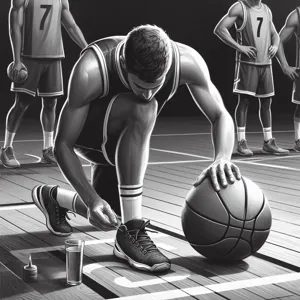
Well-known examples
- Michael Jordan wore his University of North Carolina shorts under his Chicago Bulls uniform throughout his NBA career, which is often cited as one reason for the longer shorts of the era.
- Jason Terry was known for sleeping in the shorts of the next opponent the night before a game.
- Many players follow exact free-throw routines: a fixed number of dribbles, a spin of the ball, a kiss to the wrist or a word to themselves.
Common team habits
- the same pre-game meal or music playlist;
- touching the top of the door frame or a sign on the way to the court;
- wearing the same socks or headband during a winning streak;
- following the same order in the layup line.

Why players have them
Sport is full of things players cannot control: referees, bounces, opponents. Rituals give a feeling of control and predictability. Sports psychology research suggests that superstitious rituals can reduce anxiety and, in some cases, increase confidence, which may help performance. The effect comes from the player’s mind, not from the socks.
Rituals vs. routines
There is an important difference:
- a routine (like a consistent pre-shot sequence) focuses attention and calms the body, and it works anywhere;
- a superstition depends on an object or condition you might not have one day, which can raise anxiety if something goes wrong.
The best approach is to build routines that depend on you, and keep superstitions light-hearted.
Routines are a core part of mental preparation, especially at the free-throw line; see free throw technique.