
Mastering Motorcycle Detailing: The Professional Approach

Keeping your motorcycle in showroom condition is more than just about vanity; it is a fundamental aspect of machine preservation. Dirt, grime, and road salt are abrasive contaminants that act like sandpaper on your paint and accelerate corrosion on metal components. By adopting a methodical detailing routine, you protect your investment and maintain the mechanical integrity of your machine.
The Professional Detailing Toolkit
Avoid generic household detergents. These often contain high salt content or harsh surfactants that strip protective waxes. Invest in a dedicated kit that includes the following:
- pH-Neutral Motorcycle Shampoo: High-lubricity formulas that lift dirt without damaging seals.
- Dual-Bucket System: One bucket for soapy water, one for rinsing your mitt. This prevents dirt from being reapplied to the paint.
- Detailing Brushes: Various sizes of non-abrasive brushes for engine fins and sprocket areas.
- Premium Microfiber Towels: Use a high GSM (grams per square meter) count to ensure maximum water absorption without micro-scratching.
- High-Quality Polymer Sealant: A synthetic sealant lasts longer than traditional carnauba wax, providing a superior shield against UV rays and heat.
Safety Protocols Before You Wash
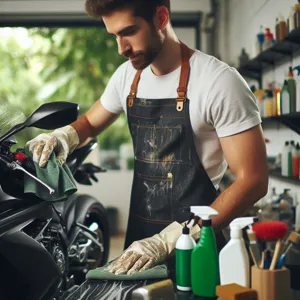
Never wash a hot engine. Thermal shock can warp metal components or cause stress fractures in cooling fins. Wait at least 30 minutes for the engine to reach ambient temperature. Before applying water, use a small piece of tape or a plastic bag to cover your air intake and ignition switch to prevent moisture ingress into sensitive electrical circuits. This is a common mistake that leads to intermittent electrical gremlins.
Systematic Washing: The Top-Down Rule
Always wash your motorcycle starting from the top and working downward. This ensures that the heaviest grime—usually found on the wheels and lower chassis—is the last thing you scrub, preventing cross-contamination. Rinse the bike with a low-pressure stream. High-pressure washers can force water past O-rings and into wheel bearings, leading to premature failure. If you use a pressure washer, keep the nozzle at least two feet away from the bike at all times.
Engine and Mechanical Detailing

The engine is the heart of your bike and the hardest area to maintain. Use a specialized degreaser for the engine block, but be selective. Avoid spraying degreaser directly onto rubber hoses, as many petroleum-based cleaners can cause rubber to perish and crack. Use your detailing brush to agitate the degreaser, then rinse thoroughly. Once dry, applying an engine brightener spray can restore the black finish of the motor casing and keep it looking fresh for longer.
Chrome and Paint Preservation
Chrome is porous; if left unsealed, it will eventually pit. After cleaning, use a dedicated metal polish to fill the pores and provide a protective layer. For your painted fairings, use a two-step approach: first, a light polish to remove swirl marks, followed by a ceramic spray or high-quality sealant. Think of this process like applying sunscreen to your own skin; it prevents the clear coat from oxidizing and fading under the sun.
Chain and Sprocket Maintenance
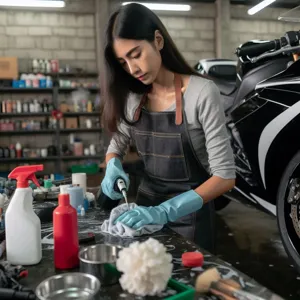
Cleaning your chain is not optional. A dirty chain carries grit that acts like a grinding paste between your chain rollers and sprocket teeth, causing the chain to stretch rapidly. Use a dedicated chain cleaner and a stiff-bristled brush. After scrubbing, rotate the rear wheel and apply lubricant to the inside of the rollers, not the side plates. Always let the lubricant sit for at least 15 minutes before riding, or you will simply fling the fresh grease off onto your rim.
Common Pitfalls to Avoid
- The Chamois Myth: Stop using traditional leather chamois. They are notorious for dragging dirt across your paint and creating fine scratches. Use modern, clean microfiber towels instead.
- Ignoring the Undercarriage: Many riders clean the tank but ignore the swingarm and shock linkage. These areas collect road debris that can seize up your suspension.
- Over-soaping: Using too much detergent makes rinsing difficult. Residue left behind will attract new dust the moment you hit the road.
Seasonal Preparation
When preparing your bike for long-term storage, do not simply cover it. The space under a cover can trap humidity, creating the perfect environment for rust. Before covering, apply a light coat of anti-corrosion spray (like ACF-50) to all metal parts. Furthermore, use a fuel stabilizer in the tank and connect a battery tender. A battery that is left to discharge fully during winter will suffer permanent damage to its lead-acid chemistry, significantly reducing its lifespan.
Content updated on 2026-09-11