How to protect your motorbike from theft?
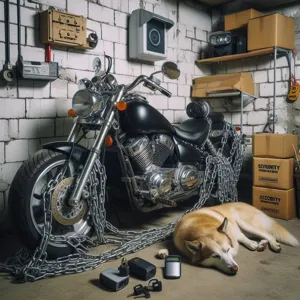
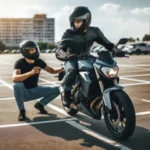
Motorcycle theft is a targeted industry. Professional thieves look for high-value machines that can be snatched in under 60 seconds. Relying on your steering lock is effectively an invitation for theft. To keep your bike, you must create a multi-layered security system that makes the cost of theft exceed the potential reward.
The Core Security Strategy: Think in Layers
Security is like an onion. You need multiple layers that a thief must peel away one by one. If they encounter a lock that requires five minutes of noisy work, they will move to an easier target. Your goal is to maximize the time and noise required for a successful theft.
High-Grade Physical Deterrents
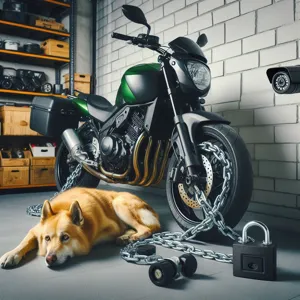
Avoid cheap cable locks. They can be cut with handheld bolt cutters in seconds. Invest in hardened steel chains and disc locks with a Sold Secure Gold or Diamond rating. These certifications mean the product has been stress-tested against angle grinders and hydraulic cutters.
- Disc Locks: Use a disc lock with an integrated alarm. This adds a psychological barrier to the physical one.
- Chains: Use a 16mm or thicker hardened steel chain. Ensure it is long enough to loop through your frame, not just the wheel.
- Anchors: A bike that cannot be rolled is hard to steal. Bolt a ground anchor into your garage floor to tether the frame directly to the concrete.
Strategic Parking Practices
Where you park matters more than you think. If you park in a dark, secluded area, you are handing your bike to a thief. Use high-traffic, well-lit areas. If you are in public, park your bike in view of security cameras or shop windows.
When parking at home, a garage is not a fortress. Thieves often target residential garages. If you must use a garage, reinforce the door locks and install a motion-activated floodlight. A thief working under a bright spotlight is a thief who will panic and leave.
Advanced Electronic Protection
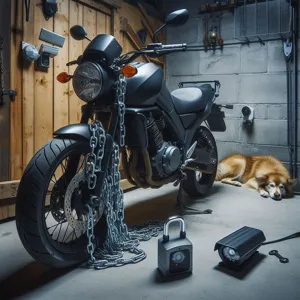
Physical locks are your first defense, but technology acts as your safety net. Mechanical locks can eventually be beaten. Electronics provide real-time data and early warnings.
GPS Tracking: The Recovery Key
Install a hardwired GPS tracker like a Monimoto or a professional-grade unit connected to your bike’s battery. Hide the unit deep within the bike’s chassis, preferably under the fuel tank or deep inside the airbox. If the tracker is easy to find, it is useless. Most modern units offer geofencing alerts, which send a push notification to your phone the second your bike moves.
The Power of Visibility
Thieves want speed. If they see a bike covered in alarms, chains, and covers, they will skip it. Use a high-quality, heavy-duty bike cover every time you park. It conceals the model and makes it harder for a thief to scope out your security setup before they commit.
Common Pitfalls and Pro-Tips
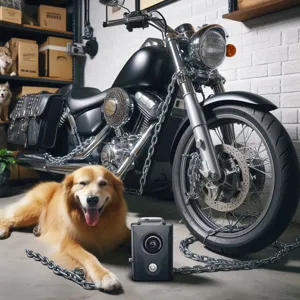
Even experienced riders make basic mistakes. Avoid these common errors to keep your bike safe.
- The Ground Rule: Never let your chain touch the ground. If it is on the floor, a thief can use a sledgehammer to smash the lock. Keep the chain tight and elevated.
- The Steering Lock Trap: Never rely solely on the factory steering lock. It can be snapped by a simple kick to the handlebars.
- Spare Key Management: Do not leave your spare key in your garage or near the front door. Keep it in a secure location inside your home.
Documenting for Recovery
If your bike is stolen, your records are your only hope. Keep a digital folder containing your VIN, high-resolution photos of the bike, and a list of all custom parts. If you have security hardware like disc locks, keep the receipts. Some insurance companies will offer lower premiums if you can prove you use specific, certified security devices.
Finally, review your insurance policy annually. Ensure you have ‘new for old’ replacement coverage. If you have customized your bike with expensive exhausts or aesthetic upgrades, ensure those are listed in your policy. Without this, you will only be compensated for the value of a stock motorcycle, leaving you to cover the cost of your upgrades out of pocket.
Content updated on 2026-09-09