Many riders fear touching their motorcycles, assuming that advanced engineering requires a professional touch. In reality, most routine maintenance tasks are straightforward mechanical procedures. Handling these yourself saves significant shop fees and ensures you understand the condition of your bike before every ride.
The Precision Toolbox: Why Quality Matters
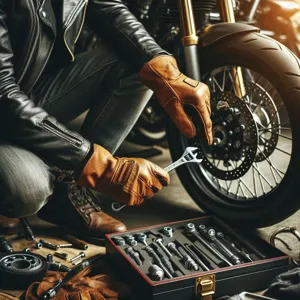
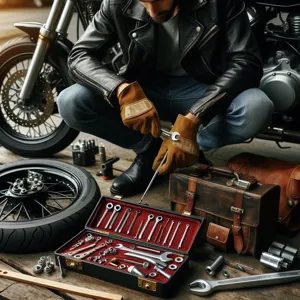
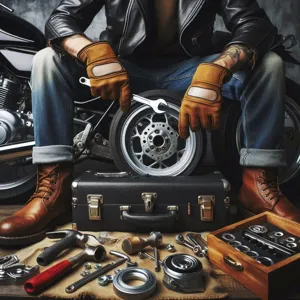
You cannot perform reliable work with substandard tools. Think of your toolkit like a surgical kit; if your tools are imprecise, you risk causing more damage than you fix. A specialized setup allows you to handle common failures confidently.
Metric Socket Set: Purchase a 6-point socket set rather than 12-point ones. 6-point sockets grip the flats of a bolt, significantly reducing the risk of rounding off rusted fasteners.
Torque Wrench: This is your most critical tool. Engines are often made of aluminum, which is soft. Over-tightening a bolt can strip the threads in the engine case, turning a simple bolt replacement into a costly repair.
High-Quality Hex Keys: Cheap keys bend under pressure. Invest in ball-end hex bits for your ratchet; they allow you to tighten bolts at slight angles in cramped areas.
Service Manual: Do not rely on internet forums for torque specs. Buy the factory service manual for your exact model. It is the only document that lists the specific tolerances engineered by the manufacturer.
Mastering Oil Changes and Filtration
Oil changes are the foundation of engine health. Oil does not just lubricate; it suspends microscopic metal shavings and combustion byproducts. If you leave old oil in the system, you are essentially circulating a liquid abrasive through your engine internals.
Credit : whatcanu.com
Field Tip: Always replace your crush washer on the drain plug. This is a small, soft metal ring that deforms to create a seal. Reusing a flattened washer is the most common cause of persistent oil drips under a bike.
Drive Chain Health and Alignment
Your chain is the primary link between the engine and the road. A chain that is too tight places immense tension on the output shaft bearing, which can lead to catastrophic internal transmission failure. A chain that is too loose will slap against the swingarm and wear out sprockets prematurely.
Procedural Check: Use a chain alignment tool, which clamps onto the rear sprocket. Many riders rely solely on the swingarm markings to align their wheels, but these are often factory-imprecise. Proper alignment prevents uneven tire wear and erratic handling during cornering.
Brake System Maintenance
Credit : whatcanu.com
Brake pads are safety-critical parts. When you replace them, the piston in the caliper must be pushed back. If you fail to pump the brake lever multiple times after reassembly, your first pull of the lever will do nothing as the piston travels the gap you created.
Error to Avoid: Never top off your brake fluid reservoir if the pads are worn. As pads wear, the fluid level drops naturally. When you eventually install new, thicker pads, pushing the pistons back will force the excess fluid out of the reservoir, damaging your bike’s paintwork with corrosive brake fluid.
Electrical Diagnostics
Modern motorcycles are sensitive to voltage fluctuations. If your bike has intermittent starting issues, the culprit is often a simple loose ground cable. Electricity needs a clean, uninterrupted loop; if the connection to the frame is corroded, the circuit fails.
Credit : whatcanu.com
Step-by-Step Testing: Use a multimeter to measure voltage at the battery terminals while the engine is cranking. If the voltage drops below 10V during the start attempt, your battery is likely sulfated and unable to hold a charge under load, regardless of what the static voltage reads.
Tire Pressure and Handling
Tire pressure changes significantly with temperature. A variation of just 3 PSI can alter your bike’s contact patch geometry. Always check pressure when tires are cold. If you check them after a spirited ride, the heat-induced pressure reading will be false, leading you to under-inflate your tires.
Inspection Detail: Look for ‘cupping’ on the tread blocks. Cupping is a wear pattern that looks like a scalloped edge on the tire. It is a clear sign that your suspension settings or tire pressures are incorrect for your riding style. Correcting this early prevents premature tire replacement and keeps your steering predictable.