
How to find a reliable motorbike mechanic?

Finding a competent mechanic is the difference between a machine that performs reliably and one that leaves you stranded. Most riders choose workshops based on proximity or convenience, but this is a gamble with your safety. To identify a true professional, you must look past the flashy signage and evaluate the technical reality of their operation.
Verify technical expertise beyond basic servicing
General motorcycle knowledge does not equal brand-specific mastery. Modern motorbikes rely heavily on complex electronic control units and proprietary systems. A mechanic who works on cruisers daily might struggle with the high-revving timing requirements of a sportbike.
- Check manufacturer certifications: Look for official brand training credentials displayed in the shop.
- Ask about diagnostic tools: Ensure they own the specific scanners required for your bike’s ECU (the motorbike’s brain).
- Validate experience: Ask if they have performed the specific repair you need on your exact make and model before.
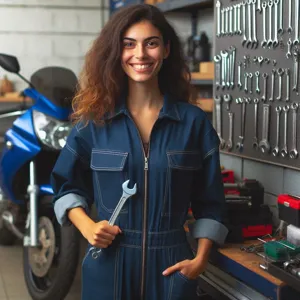
Pro-tip: Think of this like choosing a medical specialist. You wouldn’t see a general practitioner for heart surgery; don’t take your fuel-injected sportbike to a mechanic who only specializes in vintage carburetors.
The “Workshop Audit”: What to look for during your visit
Never leave your bike without visiting the workshop first. The state of a workspace is a direct reflection of how the mechanic treats your property. You are looking for a system of organization, not just a clean floor.
- Fluid management: Are there spills and grime everywhere? A messy shop usually leads to contaminated parts.
- Bikes in the queue: Look at the bikes waiting for service. If they are covered with protective sheets or organized neatly, the staff respects the customer’s machine.
- Tool condition: Are the tools high-quality and organized on shadow boards, or are they scattered, rusted, and neglected?
Demand transparency in the estimate process
A professional mechanic will never provide a price over the phone without seeing the bike. If they give you a flat-rate quote before inspecting the damage, it is either a guess or an inflated price to cover unforeseen issues. Request a written estimate that clearly separates parts from labor hours.
Error to avoid: Never agree to an ‘open-ended’ repair. Always require a written clause that states you must be contacted for authorization if the final cost exceeds the initial estimate by more than 10%. This prevents the ‘surprise’ bill when you come to collect your bike.
The importance of warranty documentation
A shop that refuses to guarantee its labor is a shop you should avoid. Reliable mechanics operate with professional liability and take pride in their output. Ask specifically what the labor warranty covers and for how long. A standard industry benchmark for reputable shops is a minimum of 90 days or 3,000 miles, whichever comes first.
How to leverage rider communities for real data
Online reviews are often manipulated. Instead, leverage local riding clubs or dedicated technical forums. When asking for recommendations, do not ask ‘is this a good shop?’—the answer will be subjective. Ask specific technical questions instead.
- Ask: ‘Has anyone had a valve clearance adjustment done on a [your bike model] by shop X?’
- Listen for: Negative experiences regarding communication delays or recurring issues.
- Red flag: If a shop has a high volume of positive reviews but no one can cite a specific, complex repair they performed, prioritize your skepticism.
Building a long-term partnership
The best mechanics prioritize their regular clients. Once you find a professional who meets these criteria, document your service history with them. Consistent maintenance logs are not just for your peace of mind; they significantly increase the resale value of your bike. Treat the relationship as a professional service contract. Be clear about your expectations, provide the bike in a clean state, and respect their time. In return, you gain a partner who will prioritize your safety and bike longevity over transient, one-off customers.
Content updated on 2026-09-09