Mastering Motorbike Maintenance for Peak Performance
Credit : whatcanu.com
Owning a motorbike is not just about the ride; it is about the mechanical synergy between you and the machine. Achieving optimal performance requires a disciplined approach to maintenance. By mastering these technical fundamentals, you avoid costly repairs and ensure that every turn of the throttle delivers maximum power and precision.
The Professional Toolkit: Precision Starts Here
Stop relying on improvised tools that strip bolts and damage components. A professional-grade garage setup saves you time and prevents mechanical frustration. Focus on these essentials:
Calibrated Torque Wrench: Essential for engine bolts and axle nuts. Using this tool is like measuring ingredients for a cake; too much or too little force compromises structural integrity.
Metric Socket & Hex Set: Most modern bikes use metric hardware. A high-quality set prevents rounded bolt heads.
Digital Tire Pressure Gauge: Standard stick gauges are often inaccurate. Use a digital one to maintain precise PSI for handling and fuel efficiency.
Paddock Stands: Front and rear stands are mandatory for proper chain cleaning and wheel maintenance.
Engine Health: The Oil Change Protocol
Engine oil is the bloodstream of your motorbike. Over time, it traps microscopic metal shards and carbon deposits that increase friction. Replace it every 3,000 to 5,000 miles, or at the start of each season.
Credit : whatcanu.com
Field Tip: Always run the engine for five minutes before draining. Warm oil flows like water, carrying more debris out of the crankcase than cold oil, which acts more like sluggish molasses.
Use a crush washer on the drain plug every single time; failing to do so causes slow, persistent leaks.
Fill with the exact viscosity specified in your manual—do not substitute unless you are in an emergency.
Prime the new oil filter by filling it partially with fresh oil before installation to avoid an initial dry-start period.
The Drivetrain: Chain and Sprocket Optimization
Your chain transmits every horsepower to the rear wheel. A neglected chain creates drag and risks snapping, which can destroy your engine case. Inspect the chain slack every 500 miles. If you can pull the chain away from the rear of the sprocket by more than a few millimeters, it is time for an adjustment.
Common Error: Many riders over-lubricate the chain. Excess lube acts like a magnet for sand and road grit, which turns your chain into a grinding paste. Apply a light, even coat, let it soak, and wipe away all excess before you ride.
Tire Dynamics: Your Only Contact Patch
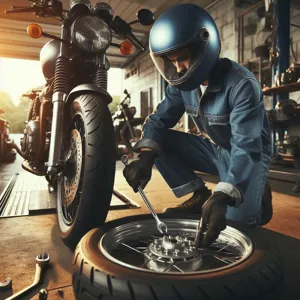
Your motorbike’s contact patch is roughly the size of a credit card. If your pressure is wrong, that patch shape distorts. Check tire pressure while they are cold. High-speed highway riding builds heat, which increases pressure; never bleed air from tires immediately after a ride.
Credit : whatcanu.com
When to replace: Don’t rely solely on tread depth. Rubber hardens and loses its chemical grip after 5 years, even if it looks new. If you see tiny cracks in the sidewalls, the tire is compromised and must be replaced to avoid high-speed failure.
Braking System: The Safety Edge
Brake fluid is hygroscopic, meaning it absorbs moisture from the air. Over two years, this water content lowers the boiling point of the fluid. Under hard braking, the fluid can boil, leading to a sudden loss of lever pressure—much like stepping on a soft sponge.
Flush your brake fluid every two years regardless of mileage.
Inspect brake pads for uneven wear; uneven pads suggest a seized caliper piston, which acts like a constant brake drag.
Keep discs free of oil or wax; clean them with dedicated disc cleaner only.
Electrical Reliability: The Battery Interface
Motorbike batteries are small and sensitive. If you park your bike for more than two weeks, the battery will naturally discharge. A low-voltage battery can cause irregular ignition timing and fuel pump failure.
Credit : whatcanu.com
Actionable Advice: Invest in a smart trickle charger. Connect it during off-seasons or long gaps. This prevents lead-sulfation, a process where crystals form on battery plates and permanently reduce capacity. If your terminals show a white, powdery residue, scrub it away with a wire brush and apply dielectric grease to ensure a clean connection.
Airflow and Combustion
An engine is an air pump. If it cannot breathe, it cannot perform. Inspect your air filter every 5,000 miles. If you ride in dusty or urban environments, increase the frequency. A clogged filter creates a rich fuel mixture, which reduces throttle response and wastes fuel. If you have a reusable performance filter, use a manufacturer-approved cleaning kit; standard detergents can strip the specialized oil coating required to trap dust.
When to Consult a Professional
Not every repair is a DIY project. Avoid the temptation to perform major internal engine work or suspension tuning without proper specialized equipment. Signs that it is time for a shop visit include: ticking sounds from the cylinder head (valve clearance issues), shifting difficulties (internal transmission wear), or persistent electrical gremlins that defy standard fuse and connection checks.
A well-maintained bike is not just safer—it is more predictable. When you know your machine, you ride with focus rather than hesitation. Follow this maintenance cycle, and you will ensure your bike stays in peak form for the long haul.