The Science of Polymerization
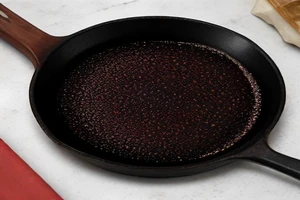
A cast iron skillet requires a stable layer of polymerized oil to prevent oxidation and food adhesion. When you heat oil above its smoke point, it undergoes polymerization, converting liquid fat into a solid, plastic-like coating bonded to the iron. This process creates a hydrophobic surface that facilitates effortless food release.
Many users fail by using oils with low smoke points, such as extra virgin olive oil, which degrades too quickly. Use oils high in unsaturated fats like grapeseed or flaxseed oil. These oils form denser, more durable cross-linked structures during the heating cycle.
The Seasoning Procedure
Effective seasoning starts with a clean, dry surface. If you see rust, remove it immediately using steel wool or a coarse abrasive pad. Once the iron is exposed, follow these steps to establish a base layer:
- Apply a thin layer of oil to the entire surface, including the handle.
- Wipe off all visible oil with a clean paper towel; the surface should look dry.
- Place the skillet upside down in an oven preheated to 450°F (232°C).
- Bake for 60 minutes to ensure complete polymerization.
- Allow the skillet to cool inside the oven to room temperature.
Daily Maintenance Protocols
Proper maintenance prevents the degradation of your seasoned surface. While many suggest avoiding soap, modern mild detergents are safe because they do not contain lye. The primary enemy is moisture, which triggers rapid iron oxidation.
- Wash the skillet immediately after use using hot water and a stiff nylon brush.
- Dry the pan thoroughly with a cloth; do not air-dry.
- Place the pan on a stovetop burner at low heat for two minutes to evaporate microscopic moisture.
- Apply a half-teaspoon of neutral oil and buff it into the surface until it appears matte.
Avoid soaking the pan in water for extended periods. This softens the seasoning layer and introduces moisture into the pores of the iron. If you encounter food residue, boil a small amount of water in the pan for two minutes to loosen debris before cleaning.
Managing Surface Damage
If your cast iron skillet develops dull spots or starts sticking, you do not need to strip the entire surface. Simply repeat the seasoning process on the affected area. Over-stripping the pan with lye-based cleaners is an invasive process usually reserved for severely pitted or rusted antiques.
- Assess the pan for visible rust; if found, abrade the area until bare metal shows.
- Apply a light coat of oil to the specific spot.
- Follow the high-heat oven cycle as previously described.
- Avoid cooking highly acidic foods like tomato sauce during the first month of use to preserve the integrity of the layer.
Consistency is more important than intensity when building a non-stick layer. Frequent use of the pan for searing meats or sautéing vegetables helps reinforce the polymer bonds naturally. Every cooking session adds a microscopic layer of fat that protects the metal from corrosive elements.
Choosing the Right Tools
Interact with your cast iron skillet using appropriate utensils to avoid gouging the seasoning. While iron is durable, the layer of polymerized fat is susceptible to mechanical damage. Use silicone or wooden spatulas rather than sharp metal edges to maintain the surface finish.
- Avoid storing the pan in damp areas, such as near a sink.
- If stacking pans, place a paper towel between them to prevent scratching.
- Do not wash the pan in a dishwasher, as the harsh detergents and moisture will destroy the seasoning entirely.
By treating the pan as an engineering tool rather than a standard pot, you ensure its longevity. Proper heat management, specifically avoiding thermal shock by heating the pan gradually, prevents cracking. With these systematic habits, the pan will develop a darker, smoother finish over time.