What is commonly misdiagnosed as pink eye?
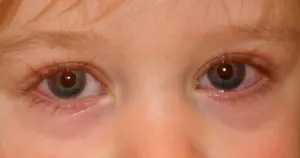
You wake up with bloodshot, irritated eyes. It is tempting to label this as pink eye (conjunctivitis) and reach for leftover antibiotic drops. However, misdiagnosis is a common clinical trap. Using the wrong treatment not only wastes time but can also mask severe conditions or cause long-term damage to your ocular surface. Understanding what mimics conjunctivitis is your first step toward effective relief.
Allergies: The Great Ocular Imposter
Allergic conjunctivitis is the most frequent mimic of pink eye. Think of your immune system like a sensitive alarm system. When it encounters pollen, pet dander, or dust, it overreacts. This creates an inflammatory cascade. Unlike infectious conjunctivitis, this is not contagious.
- Itching: If your eyes feel like they need a deep scratch, allergies are the prime suspect.
- Bilateral involvement: Allergies almost always hit both eyes at the same time.
- Watery discharge: You will notice clear, thin tears rather than thick, yellow crusting.
Dry Eye Syndrome: The Lubrication Deficit
Dry eye occurs when your tear film evaporates too quickly or your glands fail to produce enough moisture. Imagine your eye as a windshield; if the wipers run without fluid, the surface becomes scratched and inflamed. This chronic irritation often presents as redness that looks suspiciously like an infection.
- Fluctuating vision: Your sight might blur, but it sharpens immediately after you blink.
- Gritty sensation: You may feel as if there is sand trapped under your eyelid.
- Reflex tearing: Your eyes might actually water excessively, which is a desperate attempt to compensate for the underlying dryness.
Blepharitis: The Chronic Eyelid Management Challenge
Blepharitis is an inflammation of the eyelid margin where your eyelashes grow. Think of it like dandruff of the eyelashes. It is a chronic, recurring issue rather than an acute infection. Because it causes red, inflamed rims, it is often confused with surface conjunctivitis.
- Morning crusting: You will often find debris or scales clinging to your lashes when you wake up.
- Persistent redness: The redness is usually localized to the lid edges rather than the white of the eye.
- Treatment strategy: Antibiotics will not fix this. Focus on daily eyelid hygiene using warm compresses and targeted lid scrubs to remove the biofilm.
Styes and Chalazia: The Localized Obstructions
A stye is an acute, painful infection of an oil gland, while a chalazion is a painless, blocked gland. Because these cause noticeable bumps and localized swelling, they are frequently mistaken for diffuse pink eye. The key difference is the localization.
- Focal pain: If you can point to a specific spot on your eyelid that hurts, it is likely a stye.
- Localized swelling: The rest of the eye surface typically remains relatively clear, unlike the total redness of conjunctivitis.
Uveitis: The Sight-Threatening Emergency
Uveitis is the inflammation of the middle layer of the eye (the uvea). This is not just irritation; it is an internal inflammatory process. You must treat this as a medical emergency. If you ignore it, you risk permanent vision loss.
- Extreme photophobia: Even normal indoor lighting may feel painfully bright.
- Deep ache: You will feel a throbbing, deep-seated pain rather than a surface-level scratchiness.
- Vision changes: Any sudden drop in your ability to see clearly requires an immediate trip to the ophthalmologist.
Field Experience: Critical Pitfalls to Avoid
I frequently see patients who have worsened their condition by using over-the-counter redness-relief drops. These drops work by constricting blood vessels. Use them for more than three days, and your eyes will develop a rebound effect, becoming redder than before. Another classic error is using old antibiotic drops from a past infection. If the current issue is allergic or dry-eye related, antibiotics do absolutely nothing.
When to seek immediate professional help:
- Your vision becomes blurry, cloudy, or significantly reduced.
- You experience severe, throbbing pain that keeps you awake.
- Light sensitivity becomes so intense that you cannot open your eyes.
- You see thick, green or yellow discharge that seals your eyelids shut.
Stop guessing with your eye health. If the redness does not improve within 48 hours of using artificial tears or removing potential allergens, schedule a slit-lamp examination. A professional can differentiate these conditions in minutes. Choosing the wrong medication is more than just an inconvenience; it can lead to chronic ocular surface disease.
Content updated on 2026-10-18