What are seed oils?
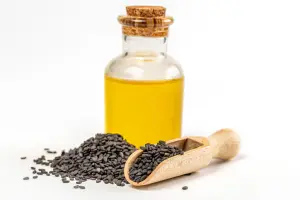
Seed oils are highly processed fats extracted from the seeds of various industrial crops, including soybeans, canola, sunflowers, corn, and cottonseed. Unlike fruit-based oils such as olive or avocado oil, which can be extracted through simple mechanical pressing, seeds contain very little oil naturally. This physical limitation requires an intensive, industrial-scale extraction process.
To understand the difference, imagine trying to squeeze juice from a dry sponge versus a ripe orange. Seeds are the dry sponge. To get the oil out, manufacturers rely on high-heat mechanical crushing combined with chemical solvents, typically hexane. This produces a crude, unrefined oil that must undergo further chemical refinement, bleaching, and deodorization to reach a marketable state. The end result is a highly shelf-stable, neutral-tasting product that bears little resemblance to the original seed.
The biochemical challenge of high Linoleic Acid
The primary health concern regarding seed oils is their chemical structure, specifically their high concentration of Linoleic Acid (LA). Linoleic acid is a polyunsaturated fatty acid (PUFA) categorized as an Omega-6. While the body requires small amounts of essential fatty acids, the modern diet provides an extreme surplus that creates a biological imbalance.
Think of your cell membranes like a construction project. Your body uses the fats you consume as building blocks. When you consume an excess of Omega-6 fatty acids, your body incorporates these fats into your cell structures. Research suggests that high levels of circulating Linoleic Acid are associated with increased systemic inflammation markers, such as C-reactive protein (CRP), in several human intervention studies.
The biological conflict arises because Omega-6 and Omega-3 fatty acids compete for the same enzymes to function. A diet high in seed oils essentially creates a logistical traffic jam where Omega-6s occupy all the available enzymes, preventing the conversion and utilization of beneficial anti-inflammatory Omega-3 fatty acids.
Common seed oils in the food supply
Seed oils have become the primary fat source in the modern food supply due to their extreme low cost and long shelf life. You will frequently encounter these variants:
- Soybean Oil: The most pervasive fat in the food system. It is a staple in mayonnaise, salad dressings, and virtually all commercial baked goods.
- Canola Oil: Derived from rapeseed, this oil is chemically stabilized for industrial use. It remains liquid at refrigerator temperatures, making it a favorite for commercial food production.
- Sunflower and Safflower Oil: These are frequently used in the snack industry. Despite being marketed as healthy, they are predominantly composed of Omega-6 fatty acids.
- Cottonseed Oil: Often treated as a byproduct of the textile industry, this oil is frequently used in high-volume deep-frying operations because it is inexpensive and highly resistant to immediate breakdown under heat.
Field experience: Common mistakes to avoid
The most frequent error I see in clinical settings is the focus on the bottle of oil used for home cooking while ignoring the intake from processed foods. You might switch to olive oil for your pan, but if your day includes packaged crackers, granola bars, or restaurant meals, you are likely still consuming high quantities of seed oils.
A critical lesson from the field is the issue of oxidation. When seed oils are heated repeatedly—as in restaurant fryers—they undergo lipid peroxidation. This is a process where the fats react with oxygen to create toxic aldehydes and peroxides. These compounds have been shown to be pro-inflammatory and potentially cytotoxic. If you are eating out, assume the oil has been heated for several hours, regardless of the type used.
Practical strategies for fat replacement
You do not need to overcomplicate your diet to see a significant change in your inflammatory markers. Focus on shifting the majority of your fat consumption toward sources that require minimal processing. Use these guidelines for your kitchen:
- Prioritize Saturated and Monounsaturated Fats: For high-heat cooking, use stable fats like beef tallow, ghee, or high-quality avocado oil. These fats do not contain the high levels of unstable PUFAs found in seed oils.
- Embrace Cold-Pressed Oils: Use extra virgin olive oil for dressings and finishing. Since it is extracted from fruit flesh rather than seeds, it contains natural antioxidants like polyphenols, which help stabilize the oil.
- Read the Back of the Package: If you see a seed oil in the first three ingredients of a processed food, it is a primary ingredient. Treat these foods as non-essential, occasional treats rather than dietary staples.
- Avoid Reheated Oils: Never reuse oil for deep-frying at home. Once an oil has reached its smoke point, it has already begun to degrade. Keep track of how your pan smells; a sharp or acrid scent is a clear indicator that the oil is oxidizing and should be discarded.
By shifting your habits toward mechanically pressed, low-omega-6 fats, you reduce the inflammatory load on your system. Start by inspecting your pantry labels tonight. You will likely find that a few simple swaps in your shopping list will eliminate the bulk of refined seed oils from your diet within a week.
Content updated on 2026-09-03