If you constantly reach for a sweater while others are comfortable, you may be experiencing more than just a preference for warmth. Your body functions like a furnace that requires specific nutritional fuel to maintain its internal thermostat. When that fuel is missing, your metabolic rate drops, and your core temperature control falters.
Think of your metabolism as an engine. If you are low on specific vitamins or minerals, your body enters a low-power mode to preserve energy for vital organs. This process inevitably pulls heat away from your extremities, leaving your hands and feet feeling like blocks of ice.
Iron deficiency: The primary driver of thermal collapse
Iron deficiency anemia is the most common reason for chronic cold sensitivity. Iron is the raw material for hemoglobin, the protein in your blood responsible for ferrying oxygen to your cells. Without enough oxygen, your cells cannot complete the chemical reactions needed to produce heat.
Data shows that iron deficiency affects roughly 25% of the global population. If your ferritin levels (the protein that stores iron) are below 30 ng/mL, you are likely feeling the chill even in moderate temperatures. This is not just a feeling; it is a measurable decline in your physiological heating capacity.
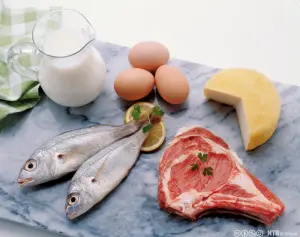
Practical Tip: Prioritize heme iron from red meat or shellfish, which your body absorbs at a rate of 15% to 35%. Non-heme iron from plants is absorbed at only 2% to 20%.
Common Mistake: Do not drink coffee or tea with your main meal. Tannins in these drinks can reduce iron absorption by up to 60%. Wait 90 minutes after eating before having your caffeine fix.
Vitamin B12: Addressing the circulation bottleneck
Vitamin B12 is essential for the production of healthy, oxygen-rich red blood cells. A deficiency forces your bone marrow to produce large, dysfunctional cells that cannot circulate properly through your narrow capillaries. This creates a bottleneck in your vascular system.
When circulation is inefficient, your body practices selective warming. It shuts down blood flow to your fingers and toes to protect your core organs. This explains the classic sensation of numb, freezing extremities while your torso remains warm. Neurological symptoms, such as tingling in your feet, often accompany this coldness.
Vitamin D: The metabolic manager
Vitamin D functions as a hormonal signal that tells your muscles how to generate heat. Studies indicate that up to 40% of adults in temperate climates are deficient. When your Vitamin D levels plummet, your muscles become sluggish and less efficient at producing the heat necessary to keep you comfortable.
Think of Vitamin D as the foreman on a construction site. Without the foreman, the workers (your muscles) continue to perform their jobs, but they do so slowly and inefficiently. This results in a measurable drop in your resting body temperature.
Magnesium and vascular constriction
Magnesium acts as a natural muscle relaxant for your blood vessels. If you are deficient, your blood vessels are prone to chronic tension, or vasoconstriction. When these vessels stay tight, blood cannot flow easily to the surface of your skin to radiate heat.
This deficiency is often exacerbated by stress. Since your body uses magnesium to manage cortisol, high-stress periods deplete your stores, causing your hands and feet to chill rapidly. Incorporating magnesium glycinate or magnesium-rich foods like pumpkin seeds—which contain 150mg of magnesium per serving—can restore vessel elasticity.
The danger of blind supplementation
It is tempting to start a high-dose supplement regimen when you feel cold. However, this is a significant risk. Excess iron is toxic to your liver, and excessive Vitamin D can lead to hypercalcemia, where your calcium levels become dangerously high.
Before you act, you need clear data. Use this checklist to get accurate medical guidance:
Demand a full panel: Do not just ask for iron. Ask for a complete blood count, ferritin levels, and a B12 serum test.
Monitor the cycle: Track your cold sensations. If they peak during your menstrual cycle, you are almost certainly losing iron faster than you can replenish it.
Check the medication list: Some common blood pressure medications cause cold hands and feet as a side effect. Check with your doctor if your symptoms started after beginning a new prescription.
Focusing on nutrient density over supplementation is the most sustainable path. By ensuring your blood, nerves, and vessels have the proper chemical foundation, you can restore your body’s natural heating capacity without guessing.