
Can I eat spicy food while pregnant?
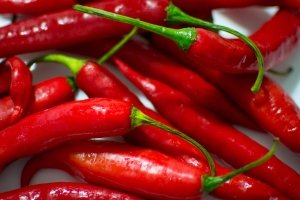
If you crave heat in your meals, you might worry if your spice tolerance harms your baby. The medical consensus is clear: eating spicy food during pregnancy is entirely safe for the fetus. There is zero clinical evidence linking capsaicin, the active compound in chili peppers, to pregnancy complications, miscarriage, or preterm labor.
However, while your baby remains safe, your digestive tract is undergoing significant physiological changes. Understanding the mechanics of your digestion can help you manage the discomfort often misattributed to the food itself.
The biological mechanism behind digestive distress
During pregnancy, your body produces high levels of progesterone. This hormone acts as a systemic muscle relaxant to ensure your uterus remains pliable for the growing fetus. Think of it like a universal volume knob that turns down the tension in all your muscles.
This relaxation extends to the lower esophageal sphincter (LES). The LES is a ring of muscle that acts like a one-way security gate between your stomach and esophagus. When this gate slackens, stomach acid can reflux upward. According to a study published in the Journal of Gastroenterology and Hepatology, up to 50% of pregnant women experience gastroesophageal reflux due to these hormonal shifts and physical pressure from the uterus.
Spices do not cause the acid reflux itself. Instead, they act as an irritant to the already sensitized lining of the esophagus, intensifying the burning sensation known as heartburn.
Evidence-based tips for managing heat
You do not need to banish flavor to maintain digestive comfort. You simply need to adjust your approach to eating. Research into dietary management during gestation suggests that specific habits can drastically reduce the incidence of post-meal distress.
- The Dairy Buffer: Always pair spicy dishes with cooling agents like Greek yogurt, sour cream, or coconut milk. Fats and proteins create a physical lining in the stomach, which buffers the effect of spicy compounds on the esophageal mucosa.
- Fractional Feeding: Overfilling your stomach creates excessive pressure on the LES. Split your meal into two smaller portions. A study in the Journal of Perinatal Education suggests that smaller, frequent meals reduce gastric pressure and improve transit time.
- Timing Matters: Avoid spicy meals at least three hours before bedtime. Gravity is your best friend; lying horizontal makes it physically easier for stomach acid to bypass the weakened LES valve.
- Hydration as a Lubricant: Aim for consistent water intake throughout the day. Water helps maintain the mucosal integrity of the digestive tract, preventing the localized irritation that spices can otherwise trigger.
Strategic spice selection
Not all ingredients affect your digestion in the same way. You can tailor your cooking to favor ingredients that support rather than irritate your digestive system.
- Ginger: Recognized as a gold standard for pregnancy-related nausea. Studies consistently show that ginger extracts can accelerate gastric emptying, helping food move out of the stomach faster.
- Turmeric: This spice offers potent anti-inflammatory properties. Unlike chili, it does not irritate the esophageal lining.
- Cumin and Coriander: These are scientifically recognized for their carminative properties, meaning they assist in reducing gas and bloating by relaxing the gastrointestinal tract.
- Chili peppers: If you must use them, prioritize milder varieties. Pure capsaicin is the primary trigger for the burning sensation in the throat; reducing the intensity significantly lowers the risk of irritation.
Field experience: Common mistakes to avoid
A frequent error is assuming that chest pain during pregnancy is exclusively linked to diet. While food can aggravate the sensation, persistent heartburn can sometimes signal other conditions. Always keep a food diary to identify specific triggers; this data is invaluable when consulting your obstetrician.
Another common pitfall is the indiscriminate use of over-the-counter (OTC) antacids. Many of these products contain high levels of sodium or aluminum, which can disrupt your electrolyte balance. Research published in Obstetrics & Gynecology recommends checking with your physician before making any antacid a daily habit.
When to seek professional advice
While spicy food is not medically dangerous, severe digestive distress can sometimes mask other complications. If you experience persistent vomiting, inability to keep liquids down for more than 24 hours, or intense abdominal pain, contact your healthcare provider immediately.
These symptoms are rarely caused by spice alone and may indicate conditions such as gastritis or hyperemesis gravidarum. By maintaining a balanced diet, staying hydrated, and listening to your body’s signals, you can safely enjoy your favorite culinary traditions throughout your pregnancy.
Content updated on 2026-09-04