Can you install a sunroof to a car?
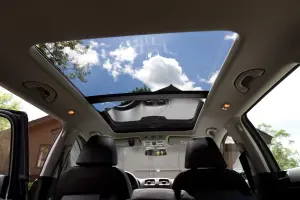
You might be tempted to add a sunroof to a vehicle that didn’t come with one from the factory. It sounds like a simple upgrade, but cutting a hole in your car’s roof is a major structural modification. Before you commit, you must understand the technical risks and the reality of aftermarket installations.
The structural risks of aftermarket sunroofs
Your car’s roof is not just a piece of metal. It acts as a structural bridge, contributing to the rigidity of the entire chassis. When you cut into the roof, you remove critical support struts that are designed to keep the cabin intact during a rollover accident.
- Structural integrity: Cutting into roof bows or reinforcement beams compromises your car’s safety rating. Always consult an engineer or a certified body shop to identify exactly where the structural supports are located.
- Airbag interference: Modern vehicles are equipped with curtain airbags that run along the roof rails. Installing a sunroof can potentially obstruct the deployment path or damage the trigger sensors.
- Safety assessment: If the installer does not use a reinforcement frame kit, the roof will experience excessive vibration and potential micro-fractures over time.
Water management and sealing challenges
Factory sunroofs include complex drainage systems, such as channels and tubes that route water down through the A and C pillars. Most DIY or low-end aftermarket kits lack these features, leading to common issues.
- The leakage factor: Without a professional-grade drainage system, rainwater will eventually find its way into your cabin, causing mold and electrical shorts.
- Rubber seal degradation: Aftermarket seals often dry out faster than factory-grade rubber due to inferior material quality. Think of these seals like the gasket on a refrigerator door; if it loses its shape, the entire cooling (or in this case, waterproof) system fails.
- Corrosion risk: When the roof metal is cut, the raw edge must be perfectly treated with anti-corrosion paint. If a technician leaves bare metal exposed, oxidation will begin almost immediately, spreading under your paint job like rust cancer.
Compatibility and electrical integration
Your vehicle’s wiring harness is specifically mapped to your car’s current electrical load. Adding a power-operated sunroof is not just about connecting a wire to a fuse box.
- Electrical strain: A motor-driven sunroof pulls power that can overload specific circuits. You may need a dedicated relay to prevent blowing fuses or causing glitches in your vehicle’s ECU (Engine Control Unit).
- Interior trim limitations: Retrofitting a sunroof often forces you to modify or replace the headliner. If the replacement does not match the factory contours, the interior will look unfinished and decrease the resale value of your vehicle.
Practical advice before you start
If you still decide to proceed, follow these professional guidelines to minimize risk. Never prioritize price over technical expertise when dealing with roof modifications.
- Verify the installer: Ask the shop for specific experience with your exact car model. Do not be their first experiment.
- Check for warranty voiding: Review your vehicle’s warranty terms. Cutting the roof of a lease or a vehicle under manufacturer warranty will almost certainly void your structural coverage.
- Demand an aftermarket drainage test: Ask the shop to show you where the water channels exit the vehicle. If they cannot show you the tubes, walk away immediately.
Common mistakes to avoid
The most common failure I see is the ‘DIY sunroof kit’. These are universal kits that do not account for the specific curvature of your car’s roof. Using a universal template on a curved surface creates stress points on the glass, which will eventually lead to the sunroof shattering while driving.
Another classic mistake is ignoring the weight distribution. A glass sunroof, including the motor and frame, adds significant weight to the highest point of your car. This raises the center of gravity, which can slightly alter how your car handles during sharp turns or emergency maneuvers.
Final verdict: While it is technically possible to add a sunroof, the risks to your structural safety and the potential for long-term water damage are significant. Evaluate if the aesthetic benefit truly outweighs the potential compromise to your vehicle’s safety framework.
Content updated on 2026-10-17