Understanding the Picky Eater Mindset

Picky eating is rarely about stubborn behavior. It is a biological response to sensory input. Think of the palate like an audio equalizer on a sound system. Some individuals have their sensitivity sliders pushed to the maximum. A mild vegetable can taste bitter, and a soft texture can feel like a major physical threat.
Your goal is not to win an argument at the dinner table. Your role is to lower the physiological defense system of the eater. When the brain detects a familiar, safe food, it relaxes. This is where you can introduce small, incremental changes without triggering a negative response.
The Strategy of Food Chaining
Food chaining is the process of connecting a new food to a trusted one. Imagine a bridge between two islands. One island is the food they already accept, and the other is the new food you want them to try. You cannot jump the gap; you must build the bridge step by step.
- Identify the anchor: Find a meal they accept without hesitation, such as plain buttered pasta.
- Introduce the variable: Add one microscopic change, like a tiny sprinkle of parsley.
- Maintain the ratio: Keep the new ingredient small enough that it does not alter the fundamental taste of the anchor food.
- Incremental scaling: Once they accept the parsley, move to other herbs, then to butter variations, and finally to light sauces.
Practical Recipes for the Sensory-Sensitive

To move beyond simple lists, focus on recipes that manipulate texture. Picky eaters usually fear mushy or inconsistent textures. You must aim for uniformity and crunch.
1. The Precision-Baked Chicken Tender
Store-bought tenders often lack structural integrity. By using a wire rack during baking, you allow air to circulate, preventing sogginess. Dip strips of chicken breast in egg wash and coat them with toasted panko. The panko provides a consistent, high-decibel crunch that registers as a positive sensory experience rather than a soft, mushy mystery.
2. The Texture-Neutral Meatball
Vegetables often fail because of their fiber structure. Use a box grater to turn zucchini into a fine pulp. Place this pulp in a cloth towel and wring out every drop of moisture. Mix the dry fiber into your beef. Because the moisture is removed, the meatball remains firm, hiding the vegetable identity entirely.
3. The Caramelized Sheet-Pan Bridge

Use sweet potatoes as your primary bridge ingredient. Their natural sugar content masks the earthy bitterness found in other vegetables. Toss cubed chicken and sweet potatoes in a thin layer of maple syrup and smoked paprika. The roasting process creates a caramelized glaze that shifts the flavor profile toward ‘comfort’ rather than ‘health food.’
4. Deconstructed Tacos
Autonomy is the best appetite stimulant. When you serve a deconstructed taco bar, you remove the stress of forced mixing. Separate every ingredient into its own bowl. The eater now controls the assembly, which removes the fear of the unknown. They choose the ratio of meat to cheese to lettuce, regaining their agency.
Common Pitfalls and Real-World Lessons
Do not fall into the trap of being a short-order cook. If you make a separate meal, you confirm that their refusal has power. Instead, ensure at least one component of the dinner is a known ‘safe’ food, like rice or fruit. This keeps the meal balanced without requiring you to manage multiple menus.
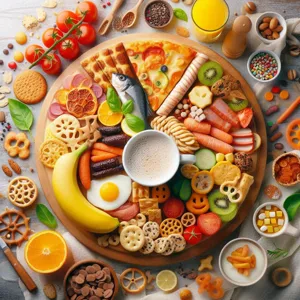
Another error is the ‘hidden vegetable’ deception. Never sneak ingredients into a dish hoping they won’t notice. If they discover the secret, they will experience a massive spike in mistrust. That loss of trust can set your progress back by months. Be transparent about ingredients, but frame them through their taste contribution rather than their health benefits.
The Science of Progression
Consistency is more important than immediate consumption. It often takes 15 separate exposures for a new food to be classified as ‘safe’ by a picky eater. If they push a plate away, do not interpret this as a permanent dislike. It is simply a lack of familiarity.
Keep the environment neutral. Do not reward them for eating or punish them for refusing. When you remain calm, you signal that the food is not dangerous. Over time, the repetition creates a sense of safety. Your only goal is to keep the food on the table, week after week, until it becomes part of their normal landscape.
Content updated on 2026-10-17