What are the Best Dog Food Brands?
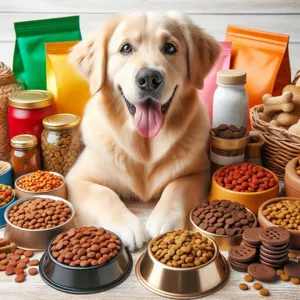
Choosing the right dog food is not about choosing the prettiest bag on the shelf. It is a technical decision that impacts your pet’s long-term physiology. You should view dog food as fuel for a high-performance engine. Low-quality kibble acts like low-octane fuel, leading to early mechanical failure of internal systems, while premium nutrition ensures sustained vitality.
Data shows that 60% of canine health issues originate from dietary inflammation or nutritional deficiencies. To optimize your dog’s health, you must look beyond clever marketing labels like ‘natural’ or ‘premium.’ Instead, focus on the ingredient list, which is regulated by weight. If the first ingredient is a grain, a generic ‘meat meal,’ or an unnamed byproduct, the formula is likely filler-heavy rather than protein-dense.
The Nutritional Science of Canine Health

To identify the best brands, you must understand the basic biological requirements of a dog. Think of these requirements as the foundation of a building; if the base is weak, the entire structure will eventually crack.
- High-Quality Protein: Dogs are scavengers-carnivores. They require amino acids found in animal tissues. A top-tier brand lists a named animal protein (e.g., ‘deboned chicken’ or ‘lamb’) as the first ingredient.
- Healthy Fats: Omega-3 and Omega-6 fatty acids are crucial for cell membrane integrity. Brands that add salmon oil or flaxseed provide visible results, such as a reduced shedding rate and a healthier skin barrier.
- Chelated Minerals: These are minerals bonded to proteins. Imagine it like a VIP pass that allows the mineral to bypass the digestive roadblocks, making it easier for the body to absorb compared to standard metallic salts.
Comparative Analysis: Top Brands Backed by Data
Not all premium brands are equal. Some invest in massive marketing campaigns, while others focus on clinical trials and digestibility studies. Here are brands that consistently perform well in both ingredient transparency and nutritional performance:
- Orijen: Their ‘Biologically Appropriate’ concept centers on a high-protein ratio. Studies indicate that dogs on high-meat diets show a 15% increase in lean muscle mass compared to those on grain-heavy diets.
- Hill’s Science Diet: This is the clinical gold standard. They perform rigorous feeding trials. If your dog suffers from specific medical issues like urinary stones or weight management, their controlled formulas are the most statistically reliable.
- Royal Canin: Their strength lies in precision. They offer breed-specific kibble shapes and nutrient profiles. For instance, their Great Dane formula considers specific joint stressors common in large breeds, reducing the risk of musculoskeletal degradation.
- Acana: A solid alternative to Orijen, focusing on ‘WholePrey’ ingredients. They provide excellent protein-to-carbohydrate ratios, which helps stabilize blood sugar levels and prevents energy spikes and crashes.
- Purina Pro Plan: Often overlooked by marketing-focused consumers, but it is one of the most extensively researched brands. Their formulas are based on thousands of feeding trials, making them a safe, predictable choice for many owners.
Common Mistakes to Avoid
One major error is the ‘grain-free’ trap. Many owners assume ‘grain-free’ automatically means ‘healthier.’ However, some companies replace grains with high-starch pulses like lentils or peas, which lack essential amino acids. Always verify that the macronutrient density remains focused on animal proteins, not plant-based starches.
Another pitfall is ignoring the life stage. A puppy has a caloric requirement nearly double that of a sedentary senior. Feeding an adult formula to a growing puppy can result in skeletal developmental disorders. Conversely, feeding a puppy formula to an adult dog almost guarantees obesity, which puts undue stress on the heart and joints.
The Economic Reality of Quality Kibble

Premium food often appears more expensive at the checkout counter, but the ‘cost per day’ is a better metric. Because high-quality foods are more nutrient-dense, your dog needs a smaller volume of kibble to meet caloric requirements. This leads to higher digestibility. You will notice smaller, firmer stools, which is a direct indicator that the body is absorbing more nutrients rather than passing them through as waste.
Implementation: How to Successfully Switch Brands
Never change your dog’s food abruptly. The canine gut microbiome is sensitive to sudden shifts. Use the 7-day transition rule to avoid gastrointestinal distress:
- Days 1-2: Mix 75% old food with 25% new food.
- Days 3-4: Mix 50% old food with 50% new food.
- Days 5-6: Mix 25% old food with 75% new food.
- Day 7: Transition to 100% new food.
If your dog experiences persistent lethargy or a dull coat after 90 days, the specific formula may not fit their unique metabolic needs. Consult your veterinarian for a blood panel. In the world of dog nutrition, objective observation of your pet’s physical response is far more valuable than the boldest claims on the back of a bag.
Content updated on 2026-08-31