You can, but you generally should not. Whiskers are not ordinary hair: they are sensory tools that help your dog understand its surroundings. Some groomers trim them for show cuts in certain breeds, but for a pet dog there is no health benefit.
What whiskers do
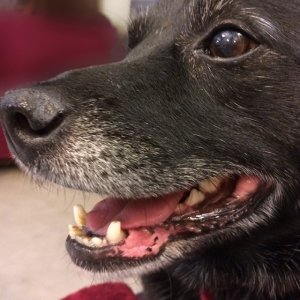
Whiskers, or vibrissae, are thick, stiff hairs rooted much deeper than normal fur, in follicles surrounded by nerves and blood vessels. Dogs have them on the muzzle, above the eyes, on the chin and on the cheeks. They detect tiny changes in air currents and touch, which helps a dog:
- Sense objects close to the face, especially in low light.
- Protect the eyes: touching the whiskers above the eyes triggers a blink.
- Judge narrow spaces and nearby movement.
- Possibly communicate mood, as whiskers move with facial expressions.
Does cutting whiskers hurt?
The whisker shaft itself has no nerves, so trimming is not painful in the way cutting skin would be. However, pulling or plucking whiskers is painful because of the sensitive follicle. Cutting them temporarily removes a source of sensory information, and some dogs seem more hesitant or startled for a while afterward.
If they were cut by accident
Do not worry. Whiskers grow back, like other hair, usually within a few weeks to a few months. Your dog will adapt in the meantime.
Grooming around whiskers
If you take your dog to a groomer, you can ask them to leave the whiskers alone. At home, when trimming the face, use rounded-tip scissors, work slowly, and keep the dog calm with treats. Tips for regular care are in how often to bathe your dog, and finding a careful professional is covered in how to find a good pet sitter, walker or groomer.
When whiskers fall out on their own
Losing a whisker occasionally is normal; they shed and regrow. Many whiskers falling out at once, together with hair loss, itching, redness or sores on the face, can signal skin problems such as allergies, mites or infections. Show your dog to a vet.
And cats?
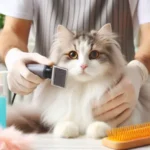
The same logic applies even more to cats, which rely heavily on whiskers to move around. Never cut a cat’s whiskers.