Choosing the correct dog leash is more than just picking a color or material. It is your primary communication tool and safety mechanism when you leave your home. A leash acts as a tether that connects your dog’s intent to your guidance. Without the right equipment, you lose the ability to influence your dog’s decisions in high-stakes environments.
Determining the Best Type of Leash for Your Needs
Leash materials serve different purposes depending on your environment and your dog’s behavior. Think of these options like choosing footwear; you wouldn’t wear flip-flops for a mountain hike. You need the right tool for the terrain.
Nylon Leashes: Lightweight and versatile. These are ideal for daily walks, but they can be rough on your hands if a strong dog pulls suddenly.
Leather Leashes: These provide a natural, soft grip that improves with age. They are excellent for durability and reducing hand fatigue.
Biothane Leashes: These offer the strength of leather but are waterproof and easy to sanitize. They are perfect for muddy or rainy environments.
Retractable Leashes: Use these with caution. While they give your dog extra space, they offer minimal control and the thin cord can snap or cause rope burns if handled incorrectly.
For large or reactive dogs, avoid thin, flimsy leashes that can snap under tension. Invest in a heavy-duty leash with a high-quality bolt snap, as this is the primary point of failure.
Practical Advice on Leash Length and Handling
Length dictates the level of freedom. A standard 6-foot leash is generally considered the industry gold standard for training and urban navigation. It provides enough slack for movement while keeping the dog within your immediate reach.
Short leashes (3-4 feet): Best for busy city streets or high-traffic areas where you need the dog glued to your side.
Long lines (15-30 feet): Reserved for open, safe spaces where you are practicing recall. Never use these in a crowd as they pose a tripping hazard.
Field Tip: If your dog tends to pull, avoid attaching the leash to a standard collar. Use a front-clip harness instead. Think of a collar as a leash attachment point that puts pressure on the throat, whereas a front-clip harness acts like a steering wheel, gently turning the dog back toward you when they pull.
Choke Chains and Attachment Logistics
Credit : Alexas Fotos
When using a training collar like a choke chain, mechanical efficiency is vital. Attaching the leash to the wrong ring turns a training tool into a potential safety hazard.
You must attach the leash to the active ring—the one that allows the collar to loosen and tighten smoothly. Attaching it to a fixed ring prevents the collar from releasing tension. This can cause the dog to experience unnecessary discomfort and respiratory stress. Always check that the collar is placed high on the neck, just behind the ears, for the most effective control.
Handling Encounters with Off-Leash Dogs
The most dangerous variable in a walk is often an unpredictable off-leash dog. If an unleashed dog approaches you, do not panic. Your anxiety travels down the leash and alerts your dog that a threat is imminent.
Stand your ground: If the approaching dog seems aggressive, place yourself between them and your dog.
Use a physical deterrent: Carry an umbrella or a walking stick. Opening an umbrella quickly is a simple, non-harmful way to create a visual barrier that distracts or confuses the approaching dog.
Do not attempt to pick your dog up: This can trigger a prey drive in the approaching dog and put you at risk of injury. Keep all four feet of your dog on the ground to maintain stability.
Retrieving a Dog That Has Slipped Its Leash
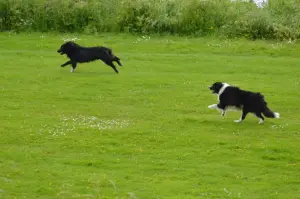
If your dog slips their lead, your instinct will be to scream and give chase. This is the worst possible reaction. To your dog, a frantic human running toward them looks like a high-stakes game of tag.
Instead, immediately collapse to the ground or move in the opposite direction. By acting counter-intuitively, you pique your dog’s curiosity. Once they return, never punish them upon arrival. If you punish a dog that returns to you, you are essentially teaching them that coming back results in a negative experience. Always reward them with treats or high-value praise so they associate returning to you with safety and rewards.
Final Best Practices for Safety
Consistency is your greatest ally. Regularly inspect the hardware on your leash for rust, fraying, or weakened metal clips. A worn-out snap hook is a ticking time bomb that can fail when you need it most. If you notice signs of wear, replace the equipment immediately. Your leash is the only thing standing between your dog and the dangers of the open world.