Can you give a dog Tylenol? The medical reality
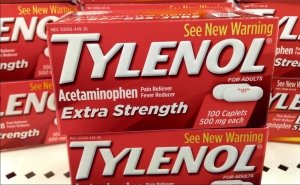
If your dog is limping or showing signs of discomfort, your first instinct might be to reach into your medicine cabinet. You might wonder if a standard human painkiller like Tylenol (acetaminophen) is a safe, quick fix. Let me be clear: Do not give your dog Tylenol under any circumstances.
While it is a staple in human households for headaches and fevers, Tylenol is not processed by a dog’s body the way it is by yours. In veterinary medicine, we categorize this as a toxic ingestion. Even a single tablet can trigger a cascade of dangerous chemical reactions that your dog’s metabolism simply cannot handle.
The science of acetaminophen toxicity in dogs
Think of your dog’s liver like a small, highly specialized factory. When you introduce acetaminophen, the factory gets overwhelmed. Dogs lack a specific enzyme required to break down this drug safely. Instead of being metabolized, the drug turns into a toxic byproduct that attacks two major areas: the liver and the red blood cells.
This is essentially a biological traffic jam. The drug metabolites bind to the red blood cells and damage their ability to carry oxygen. This leads to a condition called methemoglobinemia, where the blood turns a brownish color and cannot deliver life-sustaining oxygen to the organs.
Recognizing the symptoms of toxicity
Symptoms do not always appear immediately. They can take several hours to manifest, by which time the internal damage is already underway. Watch for these specific indicators:
- Gum discoloration: Your dog’s gums may turn pale, blue, or even chocolate-brown instead of a healthy pink.
- Respiratory distress: Rapid, shallow breathing or panting, even when resting, indicates their body is struggling for oxygen.
- Facial swelling: You might notice puffiness around the face, paws, or neck.
- Gastrointestinal upset: Persistent vomiting and a complete refusal to eat are major red flags.
- Lethargy: An extreme, sudden lack of energy that goes beyond normal tiredness.
Actionable steps if ingestion occurs
If you suspect or know that your dog has ingested Tylenol, time is your greatest enemy. Do not wait for symptoms to appear. The window for effective decontamination is extremely narrow.
- Call your veterinarian or a pet poison control center immediately. Do not attempt home remedies like inducing vomiting unless explicitly instructed by a professional.
- Provide precise information. Have the pill bottle ready. Note the dosage (e.g., 500mg) and approximately how many pills were ingested.
- Time the ingestion. Knowing exactly when the dog consumed the medication helps the veterinarian determine the best course of action, such as administering activated charcoal.
- Bring the packaging. Always take the medication container with you to the clinic so the doctor can confirm the active ingredients.
Professional alternatives for canine pain relief
Managing pain in dogs requires medication specifically formulated for their physiology. Never substitute human drugs for veterinary ones. Your veterinarian has a toolkit of safe alternatives that are processed efficiently by a dog’s system.
Veterinarians typically prescribe Non-Steroidal Anti-Inflammatory Drugs (NSAIDs) designed specifically for dogs. These include medications like carprofen, meloxicam, or deracoxib. These drugs are rigorously tested to ensure they provide relief without damaging the liver or blood chemistry.
Before starting any pain management, your vet will likely run a blood panel. This confirms that your dog’s kidneys and liver are healthy enough to process the medication safely. Never use leftover medication from a previous condition or another pet, as dosages are strictly weight-dependent.
Mistakes to avoid at home
The most common scenario for Tylenol toxicity is accidental ingestion. Dogs are opportunistic scavengers; they often find pills dropped on the floor or left on low nightstands.
- The “low reach” mistake: Never leave medication on counters or nightstands where a dog can sniff them out. Store all drugs in a high, locked cabinet.
- The “human-safe” fallacy: Never assume that because a drug is over-the-counter and safe for you, it is safe for your pet. Always verify with a professional.
- The “wait and see” error: Many owners watch their dog for a day to see if they get better. With acetaminophen, this delay is often fatal.
Always keep a backup plan for your pet’s healthcare. Keep the number of your local emergency animal hospital saved in your phone. Being proactive is the single most effective way to prevent a medical emergency.
Content updated on 2026-10-21