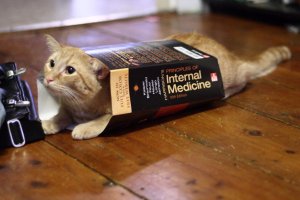
Cats are experts at hiding illness, which is why regular checkups matter even for a cat that seems perfectly healthy. The general recommendation from feline veterinary organizations is:
- Kittens: every 3 to 4 weeks until about 16 weeks of age, for vaccines, deworming and checks. Vaccines protect against the viruses behind many cases of cat flu, see why a cat sneezes.
- Adult cats (about 1 to 10 years): at least once a year.
- Senior cats (roughly 11 years and older): every six months, because problems such as kidney disease, hyperthyroidism, diabetes and arthritis become more common and progress quickly.
Cats with chronic conditions may need more frequent visits.
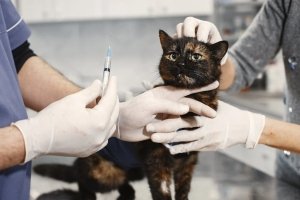
What happens at a wellness visit
- Weight and body condition check.
- Examination of eyes, ears, mouth and teeth (dental disease is very common in cats), heart, lungs, abdomen, skin and joints.
- Vaccinations according to lifestyle and local laws (rabies is required in most US states).
- Parasite prevention.
- Discussion of diet, behavior and litter box habits.
- Blood and urine tests, especially for older cats, to catch problems before symptoms appear.
Indoor cats need checkups too
Indoor cats face fewer infections and accidents, but they get the same age-related diseases, dental problems and weight gain. Many owners skip vet visits for indoor cats; it is one of the main reasons illnesses are found late.
Making vet visits less stressful
- Leave the carrier out at home with a soft blanket and treats, so it is not only associated with the vet.
- Choose a top-opening carrier, which makes it easier to lift the cat out gently.
- Cover the carrier with a towel in the car and waiting room.
- Look for a cat-friendly clinic, with separate waiting areas or quiet handling, see how to find a good veterinarian.
When to go right away
- A cat (especially a male) straining in the litter box with little or no urine: a urinary blockage is an emergency.
- Not eating for more than a day: cats can develop a serious liver condition when they stop eating.
- Breathing with an open mouth, or labored breathing.
- Repeated vomiting, diarrhea with blood, collapse, seizures or sudden weakness in the hind legs.
- Suspected poisoning, including lilies, see indoor plants that are safe for cats.
The Cornell Feline Health Center has reliable information on common feline diseases. Signs like eating much more than usual are also worth a visit, see why your cat is suddenly eating more.