Can you cut wet grass? The mechanical and agronomic reality
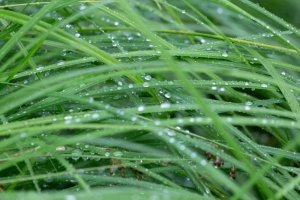
You have likely stood at your window, looking at a lawn that needs a trim, only to find the grass soaked from morning dew or an afternoon shower. While the short answer is yes, you can technically mow wet grass, the real question is whether you should. As a professional, I advise against it. The impact on your equipment and your soil health is significant.
The mechanical impact on your mower
Mowing wet grass puts your equipment under stress it is not designed to handle. Think of your mower deck like a vacuum cleaner; when you add water to the mix, you turn dry clippings into a heavy, sticky paste. This paste creates several immediate mechanical problems:
- Clogged Discharge Chute: The wet clippings lose their velocity and stick to the underside of the deck. This buildup prevents the mower from throwing grass out properly, forcing the blade to push through a dense mass of mulch.
- Increased Engine Strain: Your engine must work twice as hard to rotate the blade through the added weight of wet debris. This can lead to premature engine wear or blown belts.
- Drive System Stress: Since the grass creates more resistance, you will find yourself pushing harder or putting more torque on the transmission of your riding mower.
If you have ever tried to cut thick, damp grass, you have likely heard the engine pitch change. That high-pitched whine is the sound of your machine struggling. Over time, this causes components like drive belts and bearings to fail much faster than they would under normal conditions.
Agronomic damage: Why your lawn suffers
Beyond the machine, wet grass causes long-term damage to the plant and the soil structure. You are essentially doing more harm than good to your turf.
- Tearing Instead of Cutting: A sharp blade provides a clean, surgical cut on dry grass. When grass is wet, it becomes slippery. Instead of cutting it, your blade often tears or bruises the tips of the blades. This leaves ragged edges that turn brown and invite fungal diseases.
- Soil Compaction: Wet soil is soft. Walking or driving a mower over it creates ruts and compresses the earth. This compaction chokes the roots, preventing water and air from reaching them.
- Fungal Growth: Cutting wet grass spreads spores across the entire lawn. If you have any dormant fungus, the moisture acts as a transport system, spreading the infection rapidly across the yard.
Think of the grass blade like a straw. A clean cut closes quickly. A torn, wet edge stays open, creating a perfect entry point for pathogens, similar to how an open wound is more susceptible to infection than a clean one.
Common mistakes to avoid
If you are in a pinch and absolutely must mow, most homeowners make mistakes that exacerbate the issue. Avoid these traps to minimize damage:
- Mowing at a low height: If you must mow wet grass, raise your deck to the highest setting. This reduces the total volume of wet material the mower has to process.
- Ignoring blade sharpness: A dull blade is always bad, but on wet grass, it is disastrous. It will shred the grass rather than cut it. Ensure your blades are factory-sharp before attempting this.
- Clipping disposal: Do not mulch wet grass. Use a side-discharge setting to disperse the clumps. Mulching wet grass creates a thick layer of ‘mat’ that suffocates the live grass underneath.
- Going too fast: Slow down your pace significantly. Your mower needs time to process the heavy discharge. Pushing too fast will cause the deck to clog almost immediately.
Field experience: The cleanup protocol
If you have no choice but to mow, your work does not end when the grass is cut. The cleanup process is vital for the longevity of your equipment. Immediately after finishing, park your mower on a hard surface and scrape the underside of the deck.
Use a plastic scraper to avoid damaging the deck paint. If you leave that wet grass residue, it acts like a damp sponge. It will corrode your metal deck and shorten the life of your mower significantly. Prevention is always cheaper than replacing rusted parts or damaged transmission belts.
The pragmatic verdict
The best time to mow is when the grass is dry, ideally in the mid-morning after the sun has evaporated the dew. If you are forced to mow because of an upcoming trip or a property requirement, accept the risk of a lower-quality aesthetic and perform thorough maintenance immediately after. Your lawn will look better and your equipment will last longer if you simply wait for the sun to do the work for you.
Content updated on 2026-10-18