What are the best vegan recipes?
Transitioning to a plant-based diet can feel overwhelming if you view it as a series of restrictions. Instead, think of it like shifting from a standard box of crayons to a full professional set. You are not losing ingredients; you are gaining access to a massive spectrum of textures and flavors that are often ignored in meat-heavy diets. The best vegan recipes are those that prioritize whole, nutrient-dense foods while utilizing clever techniques to replicate the satisfaction of classic comfort meals.
The Core Principles of High-Impact Vegan Cooking
You do not need fancy gadgets or expensive substitutes to cook incredible plant-based meals. Success relies on balancing three elements: flavor depth, protein structure, and healthy fats. Without these, plant-based dishes can feel thin or unsatisfying. Think of umami as the foundation of your house; without it, the dish feels unfinished. Ingredients like miso paste, nutritional yeast, sun-dried tomatoes, and tamari act as flavor anchors, providing that savory punch your brain craves.
The Golden Rules for Your Kitchen
- Master the Maillard Reaction: Plants don’t brown the same way meat does. Use a hot pan and enough oil to get a deep sear on mushrooms or tofu. This char provides a complex, savory flavor that boiling simply cannot achieve.
- Texture Mapping: If a dish feels one-note (everything is soft), it fails. Always pair soft components (lentils, beans, avocado) with crunchy elements (toasted nuts, seeds, raw vegetables).
- Fat is Your Friend: Fat carries flavor. Avocado, tahini, and high-quality olive oil aren’t just for health; they provide the luxurious mouthfeel that makes a meal feel complete rather than just a bowl of greens.
10 High-Protein Vegan Recipes to Master
These recipes are designed to be practical, filling, and high-energy. They are the staples you can rely on for your weekly routine.
- Creamy Cashew Alfredo: Soak raw cashews for two hours, then blend with garlic, lemon, and nutritional yeast. The result is a velvety sauce that mimics dairy cream perfectly.
- Spicy Chickpea Tacos: Sauté chickpeas with cumin, smoked paprika, and cayenne until crispy. Serve in corn tortillas with pickled onions and avocado to balance the heat.
- Hearty Red Lentil Soup: Red lentils break down as they cook, naturally thickening your broth into a stew. Use ginger and turmeric to create an anti-inflammatory, warming base.
- Black Bean and Quinoa Power Bowl: This is a formula, not just a recipe. Combine a cooked grain, a legume, roasted root vegetables, and a creamy tahini-lemon dressing.
- Earthy Mushroom Stroganoff: Use a mix of cremini and shiitake mushrooms. Sauté them hard before deglazing with vegetable broth and folding in coconut cream.
- Roasted Vegetable Buddha Bowl: Roast sweet potatoes and cauliflower at 400°F (200°C) until caramelized. Serve over brown rice with a drizzle of toasted sesame oil.
- Chocolate Avocado Mousse: Blitz ripe avocado, high-quality cocoa powder, and maple syrup. The avocado flavor disappears, leaving only a rich, decadent chocolate cream.
- Banana Oat Pancakes: Use mashed ripe banana as a binder. It adds sweetness and structure without the need for eggs or dairy.
- Zucchini Noodles with Walnut Pesto: Blend fresh basil, toasted walnuts, garlic, and olive oil. Toss with raw zucchini ribbons for a light but satisfying pasta alternative.
- Tofu Coconut Curry: Press the water out of firm tofu before searing it. Add it to a simmering sauce of coconut milk, red curry paste, and snap peas.
Common Mistakes and Pro-Tips
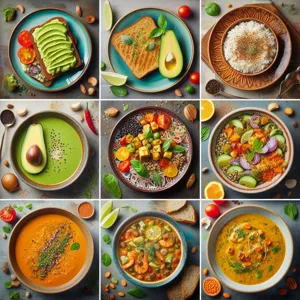
A common error beginners make is under-seasoning. Because plants have high water content, they often dilute salt. Do not be afraid to taste as you go. If a dish tastes flat, it usually needs acid (lemon or vinegar) rather than more salt. If you struggle with energy during your transition, ensure you are pairing iron-rich foods like lentils or spinach with Vitamin C sources like citrus or peppers to boost absorption.
Return on Experience: Meal Prep
Do not cook from scratch every single night. Prepare your grains (quinoa or brown rice) and your proteins (beans or tofu) in bulk on Sunday. When you get home from work, assembling a meal should take less than 15 minutes. If it takes longer, you will likely order takeout instead. Keep your kitchen stocked with pantry staples like canned beans, lentils, nuts, and spices; you will always be one sauté away from a complete meal.
Contenu mis a jour le 2026-08-22