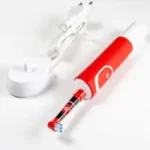
The American Dental Association recommends replacing your toothbrush every three to four months, or sooner if the bristles are frayed. The same applies to the heads of electric toothbrushes.
Why it matters
Bristles wear down with daily brushing. Splayed, bent bristles reach less of the tooth surface and the gumline, so plaque is left behind. Plaque that stays leads to gum inflammation and cavities (see why your gums bleed when you brush). Worn bristles can also be harder on the gums.
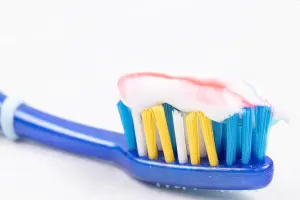
A quick test: look at the brush from the side. If the bristles fan out past the edge of the head, it is time, no matter how many weeks it has been.
When to replace sooner
- Frayed bristles after a month or two, often a sign you are pressing too hard. Electric brushes with pressure sensors help.
- After an illness like a cold, flu or strep throat. Evidence that a used brush reinfects you is limited, but replacing it is cheap and sensible, especially if the brush was shared space with others’ brushes.
- If someone else used it by mistake.
- If it was dropped somewhere unhygienic.
- Children’s brushes often wear faster because they chew them.
Some brush heads have indicator bristles that fade in color as a reminder.
Keep it clean between replacements
- Rinse well after brushing and shake off the water.
- Store it upright and let it air-dry. Closed caps and cases keep it damp and encourage bacteria.
- Keep brushes from touching each other.
- Do not share toothbrushes.
- Store it away from the toilet, and close the lid when flushing.
Soaking in mouthwash or using UV sanitizers is optional; the ADA notes there is not strong evidence they improve health outcomes.
Choosing a new one
- Soft bristles for nearly everyone. Hard bristles can damage gums and enamel.
- A head small enough to reach back teeth comfortably.
- Look for the ADA Seal of Acceptance.
- Manual or electric: both work with good technique. Powered brushes help some people, especially those with limited dexterity or braces.
If you use an electric brush and it stops charging, see electric toothbrush charger problems.
Make it a habit
Mark the date on a calendar or set a reminder every season. Brush twice a day for two minutes with fluoride toothpaste, clean between teeth daily, and see a dentist regularly. The ADA’s MouthHealthy guide to toothbrushes has more tips. After dental surgery, special care applies: see what to eat after wisdom teeth removal.