What can you eat with braces?
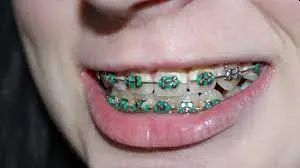
Getting braces is a mechanical investment in your smile. Think of your braces as a high-precision bridge built on your teeth. When you bite into the wrong food, you are essentially applying leverage that can pop a bracket off. This isn’t just a minor nuisance; it forces your orthodontist to reset your treatment plan, costing you extra time.
Managing the initial discomfort is the biggest hurdle in the first few weeks. Your teeth are moving through bone, which creates inflammatory pain. You need to focus on nutrition that supports healing while minimizing the mechanical stress on your wires. Adjusting your diet is not about giving up food; it is about changing the geometry of how you eat.
The mechanics of pain: Managing the first 72 hours
After your initial fitting or tightening, your periodontal ligaments are sensitive. Think of this like a bruised muscle after a heavy workout. Avoid any food that requires significant chewing force. This includes anything that requires a shearing or tearing motion.
- Stick to liquid-based nutrition for the first two days: cold smoothies, protein shakes, or lukewarm soups.
- Cold temperatures are your best pain reliever. A cold smoothie acts like an ice pack for your inflamed gums.
- Avoid acidic foods like citrus juices or heavy tomato sauces, which can irritate sensitive gum tissue near the brackets.
- Stick to neutral-flavored foods until the initial soreness subsides, as strong spices can sometimes feel more intense when your mouth is inflamed.
The hard and sticky danger zone
The golden rule is simple: if you can break a tooth with it, you can break a bracket. Many people underestimate the force generated by their jaw muscles. When you bite into a hard crust, you are pushing against the bond strength of the dental cement.
- Hard items: Popcorn, nuts, hard candies, and ice cubes are strictly forbidden. The hulls of popcorn kernels often wedge into the gum line, causing infection.
- Sticky traps: Taffy, caramel, and gummy candies act like glue for your wires. They pull on the orthodontic hardware, causing the wire to lose its tension.
- Crusty bread: Avoid anything with a tough exterior, like baguettes or thick-crusted pizza. The shearing force required to break the crust is a common cause of snapped wires.
Optimizing your diet for durability
You can maintain your energy levels by focusing on texture modifications. The goal is to choose foods that offer high nutritional density without requiring a grinding motion. Use these categories to build your grocery list.
Protein management
Avoid tough steaks or jerky. These require too much repetitive force. Instead, prioritize proteins that are naturally soft or can be easily shredded. Ground meat, slow-cooked pulled pork, flaky white fish, and soft-boiled eggs are your best options. If you eat chicken, ensure it is braised until it falls apart on the fork.
Vegetables and fiber
Raw vegetables are high-risk. A raw carrot is essentially a bracket-remover. The solution is simple: thermal processing. Steaming, roasting, or boiling vegetables until they are fork-tender removes the risk. If you miss the crunch of a fresh salad, try thinly shaved cucumbers or avocado, which provide texture without the structural integrity that threatens your hardware.
Grains and soft carbs
Starchy foods are generally safe, but avoid anything excessively chewy. Soft pasta, quinoa, and polenta are excellent staples. If you want bread, skip the toasted or crusty varieties and opt for soft, enriched breads or muffins. Always cut bread into small pieces rather than biting directly into it.
Proactive habits for long-term results
Your technique is just as important as your food choices. Transitioning from biting with your front teeth to utilizing your molars is essential. Think of your front teeth as the ‘scissors’ of your mouth and your molars as the ‘grinders.’ Braces are most vulnerable at the front.
- Cut everything: Use a knife and fork for everything, including fruit and sandwiches. Do not use your front teeth to pull pieces off.
- The molar strategy: Position food toward your molars immediately. This reduces the pressure on the brackets attached to your incisors.
- Emergency management: If a bracket comes loose, do not panic. Use orthodontic wax to cover any sharp edges that poke your cheek. Contact your office immediately, even if it is a small bracket.
- Hygiene synergy: Your food choices impact your oral hygiene. Stick to non-sticky, low-sugar options to prevent plaque buildup, which thrives in the tight spaces around your brackets.
Avoid the trap of thinking ‘healthy’ equals ‘safe.’ An apple is healthy, but an un-sliced apple is an orthodontic emergency waiting to happen. Prioritize consistency and mechanical safety, and you will move through your treatment without unnecessary delays or broken equipment.
Content updated on 2026-10-18