Understanding What Actually Makes a Car Capable in Snow
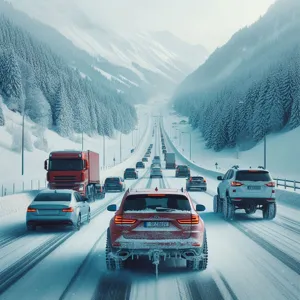
Many drivers assume that buying a heavy SUV is the ultimate solution for winter safety. This is a common misconception. Snow performance is not about vehicle size or a marketing badge. It is about how the car manages physical grip, torque distribution, and weight. Think of it like walking on a frozen lake; your boots matter more than your coat. If your vehicle cannot put power down to the pavement, the engine size becomes irrelevant.
The Core Technical Requirements for Winter Traction
Before you look at specific models, you need to understand the mechanical features that prevent you from getting stuck. Without these three components, your car is essentially a sled on four wheels.
- Torque Vectoring AWD: Traditional AWD systems are reactive. They wait for a wheel to slip before sending power elsewhere. Modern torque vectoring systems are proactive, shifting power to the wheel with the most grip before you even feel a skid.
- True Ground Clearance: If your car’s undercarriage drags in the snow, you will ‘high-center.’ This means the weight of the vehicle rests on the snow rather than the tires. Once the wheels lose contact with the road, you are stuck regardless of how good your AWD system is.
- Electronic Stability Control (ESC) Calibration: In winter, you want a system that manages grip without killing your momentum. A good ESC system applies subtle, individual braking pulses to keep you pointed in the right direction without cutting your engine power completely.
Choosing the Right Vehicle for Your Specific Profile
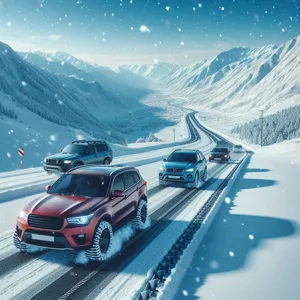
Not everyone needs the same type of vehicle. Your choice should depend on where you live and how you interact with winter roads.
For the Urban Commuter: Mazda CX-5
If you live in a city where plows clear roads quickly but ice remains, the Mazda CX-5 is an excellent choice. Its i-Activ AWD system monitors environmental data, such as outside temperature and wiper activity. It prepares the drivetrain for slippery conditions before you encounter them. It is agile, responsive, and provides excellent tactile feedback through the steering wheel.
For the Heavy Snow Belt Resident: Subaru Outback
If your daily route involves unplowed backroads or steep driveways, the Subaru Outback remains the gold standard. With 8.7 inches of ground clearance, it is less likely to high-center. The Symmetrical AWD system is mechanically constant, which provides predictable handling on deep, soft snow where electronic systems sometimes struggle to find a baseline.
For the Performance Enthusiast: Audi Q5
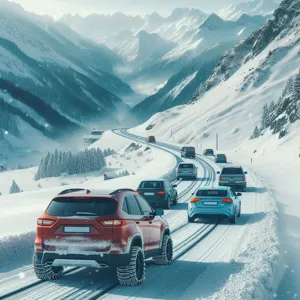
If you prioritize driving dynamics while navigating snowy mountain passes, the Audi Quattro system is superior. It uses predictive algorithms based on steering angle and speed. It offers a balance between luxury comfort and the ability to climb gradients that would cause other vehicles to spin their tires. It effectively manages torque to keep the vehicle planted during highway-speed lane changes.
For the Utility and Value Focused: Toyota RAV4
The RAV4 is designed for reliability and efficiency. Its Dynamic Torque Vectoring system is particularly effective for those dealing with slush and packed snow. It allows for left-to-right power distribution on the rear axle, which helps significantly when navigating corners on slippery surfaces. It is a pragmatic choice for those who want low maintenance costs without sacrificing winter capability.
Avoid These Common Winter Driving Errors
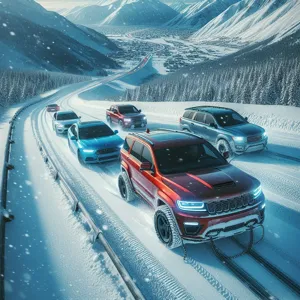
Even the best vehicle cannot defy the laws of physics. Many drivers overestimate their car’s abilities, leading to avoidable accidents.
- The Braking Myth: AWD helps you go, but it does nothing to help you stop. Braking distance is determined by tire friction and weight distribution, not by how many wheels are driven.
- The All-Season Trap: All-season tires are a compromise. When temperatures drop below 45 degrees Fahrenheit, the rubber compound becomes hard like a hockey puck. You should always invest in dedicated winter tires with a ‘mountain snowflake’ symbol for true cold-weather grip.
- Neglecting Tire Pressure: Cold air compresses. For every 10-degree drop, you lose about 1 PSI. Under-inflated tires have deformed sidewalls, which prevents the tread blocks from digging into the snow effectively.
Field Experience: The Momentum Technique
The most important piece of gear in your car is your right foot. If you are starting on an incline, do not mash the accelerator. Spinning your tires polishes the snow into a layer of ice, making it impossible to gain traction. Instead, apply the throttle as if there is a raw egg between your foot and the pedal. If you feel the wheels spinning, ease off immediately to regain grip, then slowly re-apply pressure. Smooth, gradual inputs are the difference between moving forward and getting stuck at a red light.
Final Verdict for Your Purchase
If you live in a region with consistent winter storms, prioritize a vehicle with at least 8 inches of ground clearance and a sophisticated, permanent or proactive AWD system. Do not skip the dedicated winter tires, as they are a more significant upgrade than any mechanical AWD system could ever provide. Match your vehicle to your specific environment, maintain your tire pressure, and treat the throttle with respect. This combination will provide the security you need for a stress-free winter driving season.
Content updated on 2026-09-11