Soccer involves sprinting, cutting, jumping and contact, so injuries are common at all levels. The good news is that several prevention measures are backed by solid research and are simple to apply.
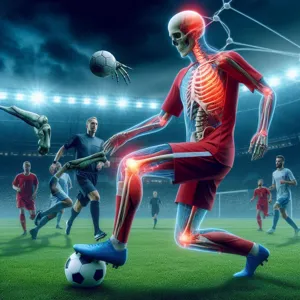
The most common injuries
- muscle strains, especially hamstrings, groin and calves;
- ankle sprains;
- knee injuries, including anterior cruciate ligament (ACL) tears, which occur more often in female players;
- bruises and contact injuries;
- concussions from head collisions.
Structured warm-ups
The FIFA 11+ program is a 20-minute warm-up combining running, strength, plyometric and balance exercises. Studies in amateur and youth players have shown it can significantly reduce injuries when teams use it regularly, at least twice a week. Its strength comes from consistency, not from any single exercise.
Strength and load
- Nordic hamstring curls reduce hamstring injuries;
- hip and core strength improves knee control during landing and cutting;
- training load should increase gradually; sudden jumps in volume, such as at the start of preseason, increase injury risk;
- sleep and recovery days matter as much as training.
Heading and concussion
US Soccer guidelines ban heading for children aged 10 and under and limit it in practice for ages 11 to 13. England’s FA has similar guidance. A player with a suspected concussion must be removed from play and not return the same day. Return to play should follow a gradual protocol cleared by a medical professional.
Equipment and the field
Shin guards are required by the Laws of the Game. Well-fitting boots suited to the surface, and fields without holes or debris, prevent many injuries.
Weather
Heat increases the risk of heat illness and fatigue-related injuries. Many competitions use cooling breaks in hot conditions, and players should drink regularly and train at cooler times of day. In cold weather, a longer warm-up and appropriate base layers help. Lightning means stopping play immediately.
Fitness is part of prevention; see training to improve as a soccer player. Goalkeepers face specific risks; read the modern goalkeeper.