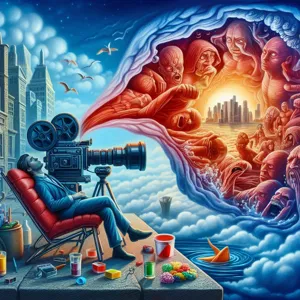
Film does not just mirror reality; it reshapes your internal map of the world. Your brain is a pattern-recognition machine that often fails to distinguish between lived experience and high-quality cinematic fiction. When you watch a movie, your nervous system responds to light, shadow, and pacing as if they were genuine environmental stimuli. This creates a psychological feedback loop where your expectations of life begin to mirror the tropes you see on screen.
The Mechanics of Heuristics in Cinema
Your brain relies on heuristics, which are mental shortcuts designed to process information quickly. Think of these like a GPS system in a car. If the map data is outdated or manipulated, the GPS will reliably lead you to the wrong destination. Cinema provides these pre-packaged shortcuts, causing you to categorize real-world events based on film tropes rather than objective facts.
Credit : whatcanu.com
A clear example is the ‘CSI effect.’ Decades of television dramas depicted forensic science as flawless and instantaneous. This created a reality shift for actual jurors. Many now feel dissatisfied or skeptical during real-life trials if DNA evidence is not presented, even when such evidence is scientifically impossible to obtain or irrelevant to the case. The film industry set a standard that the real justice system cannot match.
Technical Tools as Psychological Levers
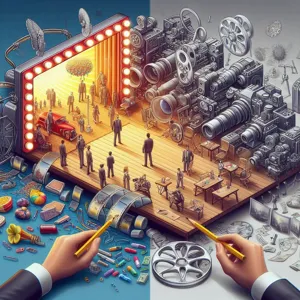
Filmmakers use technical elements to bypass your critical filter. If you understand these tools, you can regain control over your emotional reactions.
Lighting as Moral Signaling: High-contrast lighting creates subconscious moral binaries. In many thrillers, shadows obscuring half a face signal untrustworthiness. Your brain creates an immediate association between the visual darkness and the character’s hidden malice.
Camera Angles and Power Dynamics: Directors use low-angle shots to make a subject look imposing and authoritative. By forcing your gaze upward, the camera physically simulates the feeling of being smaller or vulnerable. This translates directly into your perception of that character’s status.
Editing Rhythms: Rapid, staccato editing triggers a fight-or-flight response. Your heart rate increases because the edit mimics the physiological sensation of physical danger. You are essentially being forced into an adrenaline spike by a technician in an editing room.
The Illusion of Objectivity in Documentaries
Credit : whatcanu.com
Many viewers assume documentaries provide an objective record of truth. This is a common error. A documentary is simply a subjective narrative framed as reality. Every cut, musical selection, and archival clip is a conscious choice made to influence your empathy. Think of a documentary like a restaurant menu; you are only seeing the options the chef wants you to pick, not the entire inventory of the kitchen.
When watching a documentary, look for the ‘manipulation markers.’ If a scene makes you feel intense anger or profound pity, identify the background music. Music serves as an emotional cue that tells your brain exactly how to interpret the visuals. Without that specific track, your reaction to the on-screen event might be entirely different.
Field Experience: Avoiding the Truth Trap
Credit : whatcanu.com
A frequent error is treating historical dramas as reliable historical documents. Many films compress years of complex legal, personal, or political shifts into a two-hour narrative arc. They sacrifice nuance to maintain momentum. If you rely on these films for your historical knowledge, you are effectively reading a comic book to understand advanced physics.
To stop this, adopt a proactive approach during your next viewing session:
Label the Technique: When you feel a strong emotion, pause the film. Identify if it was caused by the score, the camera angle, or a specific lighting choice. Naming the tool breaks its power over your subconscious.
Perform the Contrast Test: Compare two films about the same topic created by different cultures. If you want to understand ‘courage,’ watch both a blockbuster action film and a documentary from an independent, non-Western filmmaker. Notice how the definition of the concept changes entirely.
Audit the Archetypes: Ask yourself if a character archetype, such as the ‘reluctant hero,’ is essential to the plot. Often, these tropes exist solely because they are easier to write than complex, contradictory human beings.
By engaging with film this way, you move from passive consumption to critical analysis. You stop being a spectator of your own reality and start dictating the terms of your own worldview. Mastering these habits ensures that the screen serves you, rather than shaping you.