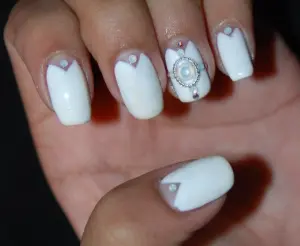
What does white nail polish mean? Unmasking the trend
White nail polish has become a dominant aesthetic in modern beauty, transcending simple color trends to become a stylistic staple. Beyond the surface-level appeal, white polish acts as a visual signal of precision. Think of it like wearing a freshly pressed white shirt to a high-stakes meeting; it commands attention through its minimalism and intentionality rather than through loud, distracting hues.
However, the rapid nature of social media has complicated this simple aesthetic. Platforms like TikTok often assign arbitrary codes to nail colors, attempting to turn them into relationship status markers. Separating fact from internet fiction is essential for anyone who values a professional appearance.
The reality of social symbolism: separating trend from myth
You have likely encountered theories claiming that white nail polish is a secret signal for being single or looking to date. These rumors are textbook examples of internet-born symbolism that lack any basis in established fashion history. Such narratives are fleeting and change as quickly as the algorithms that promote them.
If you want to adopt the white nail look without navigating these social rumors, focus on the finish of the polish. Stark, matte white can look artificial and harsh, which often draws the most attention from trend-watchers. Instead, opt for milky, creamy, or sheer pearlescent finishes. These tones offer a softer, high-end appearance that looks curated rather than performative.
The technical challenge: why white polish is notoriously difficult
Professional nail technicians often rank white as the most demanding color in their inventory. Because white pigment is incredibly dense and heavy, it behaves very differently from standard sheer or cream colors. If you treat white polish like a standard red or pink, you will almost certainly face streaks, clumps, and uneven patches.
Think of white nail polish like applying primer to a wall before painting. If the base surface is not perfectly uniform, the top coat will highlight every imperfection. Many beginners fail because they attempt to achieve full opacity in a single, thick application. This approach inevitably leads to bubbling and premature chipping, as the polish cannot dry evenly through the deep layers.
Protocol for a salon-grade finish
Achieving a streak-free, opaque look requires a strict technical protocol. Consistency is your best tool for success. Follow these steps to mimic the precision of a professional technician:
Use a ridge-filling base coat: Your natural nail plate is not perfectly smooth. A ridge-filling base acts like spackle on a wall, leveling out the surface so the white pigment can settle without catching on grooves.
Master the floating technique: Do not drag the brush bristles directly against the nail. Instead, hold the brush parallel to the surface and glide a thick bead of polish over the nail. The bristles should barely touch the product, not the nail itself.
Respect drying intervals: Allow at least three minutes of drying time between coats. Applying a fresh layer onto a wet, tacky surface is the primary cause of drag marks, which manifest as unsightly ridges similar to tire tracks on wet cement.
Common mistakes: field-tested advice to avoid
In practice, I see the same three errors repeatedly. Addressing these will prevent hours of frustration and wasted product. A clean manicure is built on proper maintenance, not just skillful painting.
Avoid the thick-polish trap: If your polish becomes viscous or gooey, never add water. This ruins the chemical formula. Use two drops of professional-grade polish thinner to restore the correct consistency.
Capping the free edge: This is the most critical step for longevity. The tip of your nail is the first point of impact. Paint over the very edge of the nail to seal the polish like wrapping a gift. Without this seal, the polish will lift within 24 hours.
Hydration is a structural necessity: Dry cuticles and brittle nails force the polish to peel at the base. Use cuticle oil twice daily to keep the nail plate flexible. A flexible nail prevents the rigid polish from cracking under the natural movement of your fingertips.
Professional maintenance for long-term wear
Once you have achieved a perfect finish, you must protect it. White polish is a high-maintenance shade; it shows dirt, dust, and scuffs far more readily than darker colors. Treat your manicure as a delicate asset rather than a permanent fixture.
Select a non-yellowing, high-performance top coat. Many standard top coats contain chemicals that tint white polish yellow after 48 hours of sun exposure. Read the label carefully to ensure the product is labeled crystal clear or anti-yellowing. Finally, if you perform manual tasks, wear gloves. Harsh detergents and constant water exposure are the primary enemies of a fresh manicure, breaking down the bonds of the polish even if your application technique is flawless.