Why you should never force nail glue off your skin
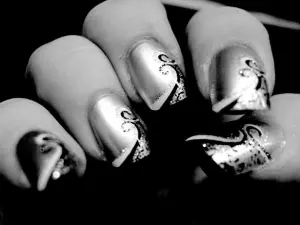
Nail glue is essentially cyanoacrylate, a fast-acting adhesive that creates a strong bond upon contact with moisture. When you accidentally get it on your skin, the bond forms almost instantly. Most people react by picking or pulling at the hardened glue. This is a mistake. Pulling the glue off often takes a layer of your skin with it, leaving you with raw, inflamed, or bleeding cuticles. Treat the glue like a sticker on a new glass jar; if you pull too fast, you leave residue and damage the surface. You need to soften the adhesive chemistry first.
The warm water method: Your first line of defense
Before grabbing harsh chemicals, start with the simplest solution: hydration. Warm water helps rehydrate the skin and softens the outer layer of the hardened glue. Fill a small bowl with warm—not scalding—water and add a dash of mild dish soap. The soap helps cut through the oils on your skin, allowing the water to penetrate the adhesive bond more effectively. Soak your affected fingers for 10 to 15 minutes. Once the glue feels slightly rubbery, use a blunt cuticle pusher or a washcloth to gently rub the edges. Do not use metal tweezers, as these can easily pierce your skin during the process.
Using oil to break the molecular bond
If water alone does not work, you must introduce a solvent that interferes with the glue’s adhesion. Oils are excellent for this because they penetrate the gap between the glue and your skin cells. Think of oil as a lubricant that slides into the microscopic gaps of the hardened glue, slowly lifting it away from your pores. You can use olive oil, coconut oil, or even baby oil. Massage a generous amount into the affected area for several minutes. If the glue is thick, let the oil sit for an additional five minutes before attempting to peel it off. If it remains firm, repeat the process. Patience is the only way to avoid skin trauma here.
When to consider acetone-based removers
Many online guides suggest non-acetone removers, but these are often ineffective against industrial-strength nail glues. If the glue is persistent, a standard acetone-based nail polish remover is the most effective chemical solvent. However, it is very drying. Use a cotton swab to apply the acetone only to the glue itself, avoiding the surrounding healthy skin as much as possible. Once the glue dissolves, wash the area thoroughly with soap and water to stop the chemical reaction on your skin. Acetone is like a solvent that ‘unplugs’ the glue’s chemical lock, but it also strips your skin of its natural protective barrier.
The importance of the post-removal recovery
After you successfully remove the glue, your skin will likely feel tight and dry. This is because both the glue and the removal methods strip your skin’s natural moisture. Do not skip the healing phase. Apply a thick, fragrance-free hand cream or a healing ointment containing petroleum jelly. If you have jojoba or vitamin E oil, use these to massage the nail bed. These oils mimic your skin’s natural sebum, helping to restore the lipid barrier that was disrupted by the adhesive.
Field notes: Common errors to avoid
Even experienced DIY nail enthusiasts make mistakes that turn a simple removal into a painful ordeal. Avoid these common pitfalls to keep your hands healthy. First, never use sharp tools like scissors or knives to scrape the glue. A slip of the hand can lead to deep cuts. Second, do not attempt to use acetone if you have open sores or raw skin from previous picking. The burning sensation will be intense, and the chemical exposure can delay healing. Finally, avoid using paper towels to rub the glue off. The fibers can bond with the glue, creating a messy, hardened clump that is even harder to remove than the original spill.
Proactive prevention: Tips for a cleaner application
The best way to deal with nail glue on the skin is to prevent it from getting there in the first place. Before applying your artificial nails, try coating the skin immediately around your cuticle with a thin layer of petroleum jelly or a specialized cuticle protector. This creates a barrier. If the glue happens to drip, it lands on the barrier rather than your skin. When you are finished with the application, simply wipe the protective barrier away. It takes thirty seconds to apply but saves you ten minutes of scraping later.
Content updated on 2026-10-18