
Preparation: The Best Defense Against Roadside Trouble

Hitting the open road brings a sense of freedom, but a vehicle breakdown is a reality every driver must be ready to face. You do not need to be a professional mechanic to handle common road issues. Preparation is about having a mindset of resilience and the right inventory in your trunk. When you treat your vehicle like a partner rather than just a machine, you stay ahead of potential failures before they stop your journey.
The Core Emergency Kit You Need Today
Do not wait for a breakdown to build your emergency kit. You need a reliable set of tools that allow you to perform basic interventions safely. Think of these items like an insurance policy for your trip:
- Basic Tool Kit: Include a multi-bit screwdriver, adjustable pliers, and a sturdy wrench. These help with tightening loose components or simple quick fixes.
- Jumper Cables: Choose heavy-duty cables. They act like a power bridge between a healthy battery and your drained one.
- Tire Repair Essentials: Carry a portable air compressor and a tire pressure gauge. Maintaining correct tire pressure is like ensuring you have the right running shoes for a marathon—it prevents unnecessary stress on the rubber.
- Safety Gear: Reflective triangles or bright flares are mandatory. They act as your visual voice on the road, signaling other drivers to steer clear of your stationary vehicle.
- Fluid Supplies: Keep a liter of oil and a bottle of engine coolant. Think of these as fuel for your car’s internal organs; topping them off can prevent a catastrophe during a long drive.
Decoding Your Dashboard: When to Stop Immediately

Your dashboard is the primary communication interface between your car and you. Most drivers treat warning lights as suggestions, but you should treat them as non-negotiable alerts. If you see a red light, your car is essentially yelling at you to pull over.
The Check Engine Light
This light is often misunderstood. It can range from a loose gas cap to a failing catalytic converter. If the light is steady, schedule an inspection soon. If the light is flashing, stop driving as soon as you find a safe spot. A flashing light indicates a severe misfire that can destroy your engine in minutes.
Temperature and Oil Pressure Alerts
These are critical. If your temperature gauge hits the red or an oil warning appears, your engine is losing its ability to cool itself or lubricate its parts. Imagine trying to run a sprint while dehydrated and without blood flow; that is what your engine is doing. Turn off the ignition immediately to prevent permanent damage.
Tactical Steps for Common Roadside Failures
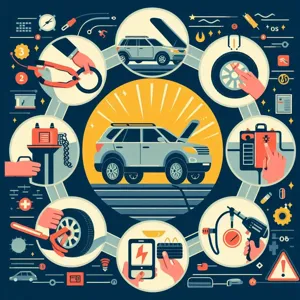
When something goes wrong, your reaction must be calm and methodical. Panic leads to poor decisions, such as attempting a repair on a busy shoulder where visibility is low.
Changing a Flat Tire
Changing a tire is not about brute strength; it is about leverage. Loosen the lug nuts while the car is still on the ground—never try to break the resistance of a tight nut once the vehicle is on the jack. Use the car’s frame as your anchor point for the jack. Always consult your owner’s manual for the specific jacking points, as using the wrong spot can crush plastic trim or bend the floor pan.
Handling a Dead Battery
When jumpstarting, the sequence of cables is vital to prevent electrical shorts. Connect the positive terminals first, then the negative. If you are ever unsure, remember that the goal is to create a complete loop. Avoid letting the metal clamps touch each other, as this creates a spark that could potentially damage delicate sensors.
Errors to Avoid and Lessons from the Field

Roadside mistakes are often avoidable if you follow simple safety protocols. Here is a reality check from experienced drivers:
- Never ignore strange noises: A clicking sound while turning or a grinding sound when braking is a warning, not an inconvenience. These parts have a finite lifespan.
- Don’t over-rely on quick fixes: A tire sealant is a temporary solution to reach a service station. It is not a permanent repair. Once you use it, get to a shop immediately.
- Prioritize personal safety: If you are on a busy highway, stay inside the vehicle or move far away from the traffic flow if possible. A car is replaceable; you are not.
When to Admit You Need Professional Help
There is a fine line between a handy driver and a dangerous situation. If you are stuck in a location where your safety is compromised, or the repair requires specialized diagnostics, call a professional. Roadside assistance services are not a sign of failure—they are a tool for smart travelers. Save your local roadside assistance number in your phone today. If you hear a loud pop, smell burning rubber, or see steam, stop trying to diagnose the issue and seek professional towing immediately.
Building a Routine for Peace of Mind
Preventive maintenance is the most effective way to avoid road problems entirely. Check your oil and tire pressure every time you embark on a trip longer than two hours. It takes less than five minutes but saves you thousands in potential damage. By staying proactive and keeping your emergency kit current, you turn a potential nightmare into just another part of the journey.
Content updated on 2026-10-01