Rehearsal Dinner: A Strategic Guide for Modern Couples
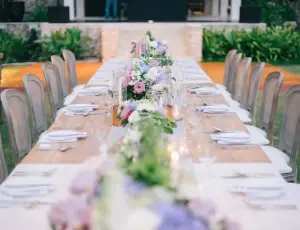
The rehearsal dinner is not merely a social obligation; it is your operational launchpad. Think of it like a pilot’s pre-flight checklist: you are ensuring all systems are go before the main event takes off. By treating this dinner as a structured transition rather than a separate party, you reduce anxiety and set the tone for your wedding weekend.
The Core Objectives: Why This Night Matters

Do not mistake this event for a rehearsal of the ceremony. It serves three specific goals that directly impact your stress levels on the wedding day:
- Operational Sync: Verify that the wedding party knows their physical cues. If someone is unclear about the procession, address it here. Confusion cleared now saves you thirty minutes of awkward shuffling during the actual ceremony.
- Social Friction Reduction: Your wedding day will be a whirlwind of photos and high-intensity moments. This dinner is your only window to help distant relatives or split friend groups find common ground in a low-stakes environment.
- Gratitude ROI: Your wedding party and family members are investing time and resources into your event. This dinner is a tangible way to thank them. A direct, sincere conversation here holds more value than a generic thank-you card sent weeks later.
Strategic Guest List Management
Many couples fail because they treat the rehearsal dinner as a secondary wedding. Keep the guest list tight to prioritize high-quality interaction over volume. Data from professional event planners suggests that events with more than 50 people often devolve into fragmented groups, losing the intimate atmosphere you are paying for.
- The Vital Few: Limit this to the immediate family, the full wedding party, and the officiant.
- The Partner Rule: Always include significant others. Excluding them is a classic error that builds resentment; guests who feel ignored often bring that negative energy to your wedding day.
- The Out-of-Town Contingent: If 30% or more of your guest list is traveling from out of state, invite them as a gesture of hospitality. This serves as a welcome event that justifies their travel effort.
- The Vendor Trap: Do not invite your photographer or DJ. They are professionals on the clock the next day. They need the evening to rest and prepare their equipment, not to navigate your family dynamics.
Budget and Execution: Achieving High Impact for Lower Cost

You do not need a five-course meal to host a successful event. In fact, complex dining setups often hinder the networking you are trying to foster. If you are balancing a budget, focus on these three tactical levers:
- The Cocktail Pivot: Instead of a seated dinner, host a 90-minute hors d’oeuvres and drink service. You reduce staffing and rental costs by 40% while keeping the energy high and the movement fluid.
- Casual Local Favorites: Skip the expensive banquet halls. A local, high-quality restaurant with a private room provides a better atmosphere and significantly lower overhead costs.
- The Toast Cap: Limit toasts to three speakers at most. A four-minute limit per person prevents the event from dragging. If you allow open mic sessions, you lose control of the schedule, turning a celebration into a waiting game.
Common Tactical Errors to Avoid
Even well-intentioned planners fall into predictable traps. Use this list to audit your current plan:
- Ignoring Dietary Logistics: Since this is a smaller group, you have no excuse for gaps in your dietary data. Collect allergies in your initial RSVP and confirm them with the catering manager 14 days before the event.
- The Scheduling Gap: If your ceremony practice ends at 6:00 PM, your dinner should start no later than 6:30 PM. Forcing guests to loiter in lobbies while you finish final details creates immediate, preventable frustration.
- Static Seating: Avoid rigid seating charts, but do not leave it to chance. Actively mix family groups at tables. An effective strategy is the 50/50 split: two people from your side and two from your partner’s side per table.
Professional Insight: The Dress Code Balance

Your rehearsal dinner should be polished but distinct from the wedding. If the wedding is black-tie, the dinner should be cocktail attire. If the wedding is semi-formal, the dinner should be smart-casual.
A common mistake is forgetting the seasonal logistics. If you are hosting an outdoor event, always provide pashminas for women or ensure high-output heaters are rented. Being cold creates a physiological response that makes guests want to leave early. Focus on comfort, keep the program tight, and maintain a direct, appreciative tone. Your goal is to enter your wedding day with the confidence of someone who has already successfully navigated the social and logistical hurdles of the weekend.
Content updated on 2026-10-17