A low-maintenance garden is less about specific plants than about putting the right plant in the right place. A plant suited to your climate, sun and soil will thrive with little help; the wrong one needs constant care however “easy” the label says it is. Start by checking your USDA hardiness zone and how many hours of sun each bed gets.
Tough perennials
Perennials come back every year, so you plant once.
- Coneflower (Echinacea): drought tolerant, loved by pollinators, seed heads feed birds in winter.
- Black-eyed Susan (Rudbeckia): long-flowering and undemanding in sun.
- Daylily: grows almost anywhere and flowers for weeks.
- Hosta: the classic for shade, as long as slugs and deer leave it alone.
- Sedum (stonecrop): thrives in poor, dry soil.
- Lavender: needs sun and good drainage, then very little else.
Shrubs that do not need much pruning
Choose shrubs whose mature size fits the space, and you will barely need to prune. Dwarf varieties of spirea, boxwood alternatives like inkberry holly, ninebark and many native viburnums are reliable choices.
Ornamental grasses
Grasses such as feather reed grass, little bluestem and switchgrass give height and movement, rarely suffer from pests, and only need cutting back once a year in late winter.
Ground covers instead of bare soil
Bare soil is where weeds take hold. Ground covers such as creeping thyme, ajuga, or native options for your area fill the gaps. Where you do not plant, use 2 to 3 inches of mulch to keep moisture in and weeds down.
Native plants
Plants native to your region are adapted to local rainfall and soil, so they usually need less watering and fertilizer, and they support local wildlife. Local extension services and native plant societies publish lists by region.
Design for easy care
- Group plants with similar water needs together.
- Use drip irrigation or a soaker hose on a timer rather than hand-watering.
- Reduce the lawn area if mowing takes too much of your weekend.
- Plant in bold groups of the same plant rather than many single specimens.
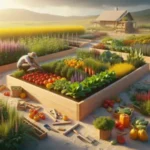
If you would rather grow vegetables, a raised bed is the easiest start, as explained in how to build a raised garden bed. Many of these plants also attract wildlife, see how to attract birds to your backyard.