A homemade bird feeder is a good weekend project, including with kids. This design is a covered platform feeder: a tray with a roof that keeps seed mostly dry and lets you watch birds easily. It attracts a wide range of species, from cardinals and chickadees to finches and sparrows.
What you need
- One untreated cedar or pine board, 1×6 inches, about 6 feet long (do not use pressure-treated wood)
- Four 1×1 or small dowel posts, about 6 inches long
- Exterior wood screws (1-1/4 inch) and wood glue rated for outdoor use
- A screw eye and chain or wire if you will hang it
Tools: saw, drill, sandpaper, tape measure.
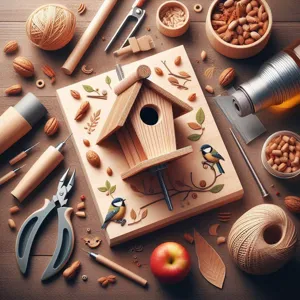
Cutting list
- Base: 12 inches
- Two base rims: 12 inches, ripped to about 1-1/2 inches wide, and two rims of 4 inches (to make a raised edge so seed does not blow away)
- Roof: two pieces of 8 inches, joined at the peak
Assembly
- Drill a few small holes in the base so rain can drain out.
- Glue and screw the rim pieces around the edge of the base, leaving small gaps at the corners for drainage.
- Screw the four posts upright at the corners inside the rim.
- Join the two roof pieces at an angle and screw them onto the top of the posts.
- Sand any rough edges. Leave the wood unfinished, or use only a non-toxic exterior finish on the outside of the roof.
- Add the screw eye to the roof peak, or mount the feeder on a post.
Where to put it
Place it either very close to a window (less than 3 feet) or farther than 30 feet, which reduces deadly window collisions according to the Cornell Lab of Ornithology’s All About Birds. Hang it 5 feet or more off the ground and a few feet from shrubs where birds can take cover, but not so close that cats can ambush them.
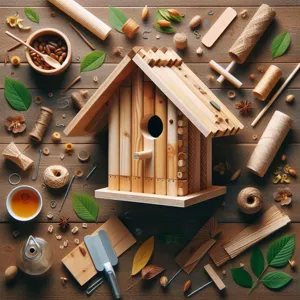
What to put in it
Black oil sunflower seed attracts the largest number of species. Avoid cheap mixes heavy with red milo, which many birds kick out. Put out only what birds eat in a day or two.
Keep it clean
Dirty feeders can spread disease between birds. Remove old seed and droppings regularly, and wash the feeder every couple of weeks with hot soapy water, rinse and let it dry fully.
For more ways to welcome birds, see the best ways to attract birds to your backyard. Basic tools for this project are listed in the best tools for a beginner DIYer.