What are the Best Indoor Playgrounds for Pets?
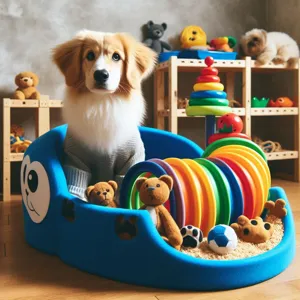
Finding the right indoor playground is not just about burning off steam. It is about matching your pet’s specific behavioral needs with an environment that promotes safety and mental growth. Think of a high-quality pet facility like a curated gym. Instead of just offering space to run, they offer stations designed for specific biological requirements.
Many owners treat these facilities as simple warehouses for energy. This is a mistake. The best indoor playgrounds prioritize sensory stimulation and individual temperament management. When you choose a center, you are choosing a partner in your pet’s long-term health.
The Critical Difference Between Activity Centers and Warehouses
Not every indoor facility is built equally. A major red flag is a facility that dumps all dogs into a single, high-energy group. Professional-grade centers segment play by size, temperament, and activity level. If your local center lacks distinct zones, you are risking physical injury and unnecessary behavioral stress.
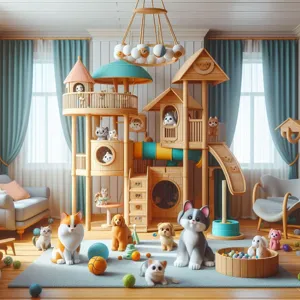
Signs of a Professional-Grade Facility:
- High-Friction Flooring: Look for rubberized surfaces akin to human gym mats. Concrete or slick tile causes repetitive impact damage to joints and increases the risk of slipping during high-intensity play.
- Strategic Zoning: Look for a layout that separates high-energy wrestling from low-stress sniffing or puzzle-solving zones.
- Staff Visibility: In a quality center, staff are in the play area, not behind a glass wall. They should be actively managing interactions, not just observing.
Selecting the Right Facility for Your Pet’s Profile
Different species and breeds require different environments. You would not train a greyhound the same way you would a pug, and the same logic applies to indoor play environments. Use these specific criteria to narrow down your search based on your pet’s needs.
For Dogs: The Enrichment-First Model
Avoid centers that focus purely on wrestling. Consistent adrenaline spikes can lead to chronic cortisol buildup, making your dog harder to manage at home. Instead, prioritize facilities that offer ‘sniffari’ sessions or nose-work obstacles. A 15-minute scent-based puzzle session provides the same mental fatigue as 45 minutes of constant running.
For Cats: The Verticality Requirement
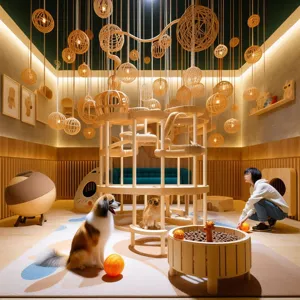
Indoor playgrounds for cats must focus on vertical space. If a facility keeps all activity at ground level, it ignores a cat’s instinct to climb and survey its environment. Look for centers that utilize floor-to-ceiling climbing structures and elevated ‘perch zones’ to reduce feline anxiety and territorial aggression.
Non-Negotiable Safety Protocols
Before you commit to any facility, demand transparency regarding their internal operations. Do not accept a verbal ‘we are safe’ assurance. Use this checklist during your initial tour to ensure the facility meets professional standards.
- Staff-to-Pet Ratio: A safe ratio is 1 handler for every 10 to 12 animals. Anything higher means staff cannot adequately intervene in a developing conflict.
- Mandatory Health Screening: They must require up-to-date vaccinations including DHPP and Bordetella for dogs, and FVRCP for cats. If they skip this, they are failing to protect your pet from preventable diseases.
- Climate Control Systems: Active HVAC is mandatory. High-intensity play in an unventilated area is a major heatstroke risk, especially for brachycephalic (flat-faced) breeds like Bulldogs or Persians.
Avoiding Common Pitfalls: Professional Insights
Even in the best facility, errors in scheduling can lead to negative outcomes. Many owners inadvertently overstimulate their pets, leading to burnout. Watch for signs of overstimulation, such as excessive panting, sudden snapping, or an inability to settle down when returning home. These are clear indicators that your pet needs shorter, more intense bursts rather than marathon play sessions.
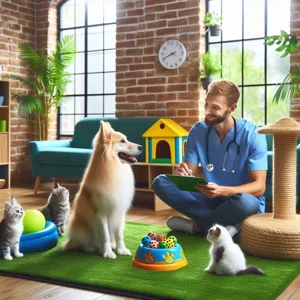
Avoid the ‘Forced Socialization’ Error: If your pet is timid, do not force them into a large, noisy group. This builds fear, not confidence. Ask if the center offers ‘solo enrichment’ sessions where a trainer works with your pet one-on-one. This builds trust without the social pressure that triggers anxiety.
Building a Micro-Playground at Home
You do not always need a commercial facility to provide high-quality play. You can replicate the benefits of enrichment centers with simple, low-cost modifications at home. Use a muffin tin to create a nose-work puzzle by hiding treats in the holes and covering them with tennis balls. This forces your pet to problem-solve.
Rotate your toy collection bi-weekly. Storing the majority of toys in a closed box makes the toys feel ‘new’ when you rotate them back into the living room. This simple management strategy keeps your pet mentally engaged without requiring constant trips to a commercial facility.
Content updated on 2026-08-31