How Can I Find a Good Pet Groomer?

Finding a reliable pet groomer is more than just booking an appointment for a haircut. A high-quality groomer is part of your pet’s health care team, helping to prevent skin issues, manage parasites, and identify physical abnormalities early. Choosing the wrong professional can lead to high stress for your animal and, in extreme cases, physical injury.
Use this guide to move beyond generic reviews and perform a practical audit of your local pet grooming options.
1. Focus on Breed-Specific Expertise

Not all groomers are masters of every coat type. A technique used for a Poodle’s curly coat will be entirely ineffective and potentially harmful to a double-coated breed like a Husky. When interviewing a groomer, ask these specific questions:
- Experience with your breed: Request photos of pets they have groomed that share your dog’s coat type.
- Handling techniques: Ask how they manage specific challenges, such as matting or sensitive paws.
- Tool selection: A professional should be able to explain why they use specific brushes or blades for your pet’s unique fur structure.
2. The “Safety First” Facility Inspection
Never rely solely on social media presence. Schedule a quick visit to the salon during business hours. A professional workspace should feel like a medical office, not a storage unit. Look for these indicators of a high-standard facility:
- Sanitation protocols: Are tools sterilized between every pet? A clean salon should not have a strong “wet dog” odor.
- Containment systems: Check if animals are secured safely during drying or waiting periods. Avoid facilities that use unsafe tethering practices.
- Anti-slip surfaces: Grooming tables and bathing tubs should have non-slip mats to prevent falls and anxiety.
3. Identifying Professional Red Flags
Some warning signs are impossible to ignore. If you notice any of the following, remove your pet from the environment immediately:
- Lack of transparency: If the groomer refuses to let you see where the grooming happens, they have something to hide.
- Signs of impatience: Watch for staff members raising their voices or using physical force to make an animal stand still. A calm, quiet environment is mandatory.
- Unexplained injuries: Always check your pet thoroughly after their first session. Minor nicks can happen, but frequent cuts, razor burn, or extreme lethargy suggest poor handling.
4. The Trial Run Strategy
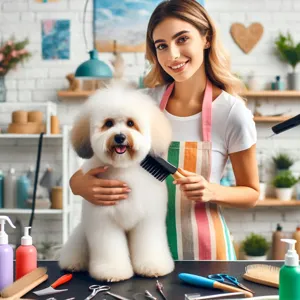
Do not book a full-day, premium spa package for your pet’s first visit. Start with a trial session. A trial run is a lower-stakes appointment focused on simple tasks like nail trimming or a bath. This approach serves as a “stress test” for your pet and the groomer.
After the session, observe your pet’s behavior. If they are shaking, avoiding the groomer, or showing signs of trauma that last for days, the personality match is likely wrong, regardless of the groomer’s technical skill. A good groomer should also provide you with feedback about how your pet handled the equipment, showing they care about the animal’s emotional comfort.
5. Understanding the “Mobile vs. Salon” Choice
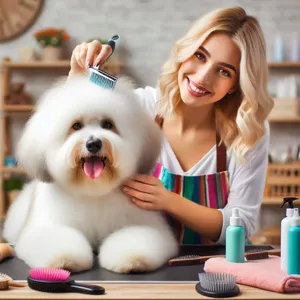
You have two main options: traditional salons and mobile grooming vans. Each has distinct advantages for different pet temperaments.
- Mobile Grooming: Best for high-anxiety pets or those that do not travel well. Since the groomer works one-on-one, your pet is the sole focus, and there is no noise from other dogs.
- Traditional Salons: Often better for socialized pets that enjoy a bit of activity. They are generally more cost-effective and have more equipment available for specialty tasks.
6. Managing the Long-Term Relationship
The secret to a great grooming experience is consistency. Once you find a professional who handles your pet well, stick with them. Familiarity reduces your pet’s cortisol levels, as they learn to recognize the routine and the human.
Keep an open line of communication. If your pet has a new skin sensitivity, a different dietary need, or a recent injury, tell your groomer immediately. A professional groomer who knows your pet’s history acts as a vital secondary set of eyes for your veterinarian, often spotting lumps or skin infections long before you might notice them at home.
Content updated on 2026-10-17