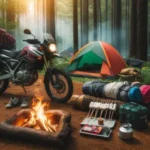
Most campsites can be reached in an ordinary car. The question is less about getting there than about carrying everything comfortably, and maybe sleeping inside if the weather turns.

Space and a flat floor
Cargo volume is the first thing to check, but the shape matters as much as the number. A wide, square opening and rear seats that fold completely flat make packing easier and let you sleep in the back. Measure it: you need about 6 feet (1.8 m) of flat length for most adults.
Wagons such as the Subaru Outback are a long-standing favorite of campers, offering good space, standard AWD and decent clearance while staying comfortable on the highway. Minivans like the Toyota Sienna or Honda Odyssey are surprisingly good camping vehicles: remove or fold the seats and you have a large, flat, covered space.
When the road gets rough
Forest roads and access tracks can be rough, so ground clearance and all-wheel drive help. The Subaru Forester and Crosstrek, Toyota RAV4, Honda Passport and Toyota 4Runner all have plenty of fans. For remote sites or serious trails, see our guide to the best cars for off-roading.
Pickups suit campers who carry bikes, kayaks or a roof-top tent setup in the bed; mid-size models like the Toyota Tacoma or Ford Ranger are easier to handle on narrow tracks than full-size trucks.
Useful features
A household-style power outlet in the cargo area or a vehicle-to-load function (available on some hybrids and EVs) lets you run a small fridge, lights or a laptop. Roof rails rated for the weight you plan to carry are essential for cargo boxes and roof tents, and a full-size spare tire is much better than a temporary one far from town.
Electric cars have an interesting advantage: some can keep the climate control running all night using little energy, which makes sleeping in the car comfortable. Check the campsite’s charging options before you rely on it.
Pack smart
Heavy items go low and close to the rear axle; light, bulky ones go up top. Keep recovery gear, a first-aid kit and water easy to reach. A roof box adds space, but remember it increases fuel use, so remove it after the trip. Before a long drive, run through our checklist on getting the car ready for a long trip, and if you bring the dog, our guide to cars for families with pets has extra tips.