Why Your Next Family Vehicle Must Be Pet-Engineered
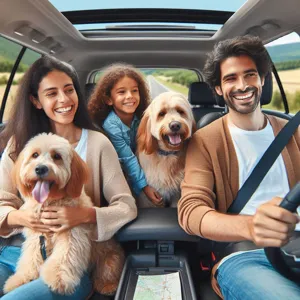
Buying a car for a family with pets is not about aesthetic appeal. It is about logistics, safety, and hygiene. A poorly chosen interior or an inaccessible trunk makes every trip a maintenance nightmare. You need a vehicle that functions like a well-equipped mobile crate for your animals while serving as a reliable transport for your family. If you ignore the mechanical specifics of pet-friendly design, you are effectively choosing to spend hours vacuuming fur out of impossible-to-reach fabric crevices.
Crucial Technical Features for Pet Owners
Before checking the horsepower or the sound system, evaluate the vehicle based on these specific technical requirements. These features turn a chaotic ride into a controlled, safe environment for both humans and animals.
- Cargo Threshold Height: Aim for a lift-over height under 28 inches. This is like a set of stairs for a dog; anything higher forces your pet to jump, putting undue stress on their joints, especially as they age.
- Airflow Efficiency: A car’s main AC vent rarely reaches the trunk area effectively. You need dedicated rear climate controls or vents positioned at head-height in the second or third rows to prevent heatstroke.
- Upholstery Resilience: Avoid leather if your pet has sharp nails, as it punctures easily. Opt for high-denier synthetic fabrics or vinyl-based interior packages. These materials have a high tear-strength rating, typically measured in Newton-meters, which resist claw penetration.
- Anchor Load Capacity: Ensure the trunk has at least four heavy-duty metal tie-down points. These should be capable of holding a 100lb crate in place during a 30mph emergency stop, preventing the crate from becoming a projectile.
Top Vehicle Recommendations Based on Performance Data
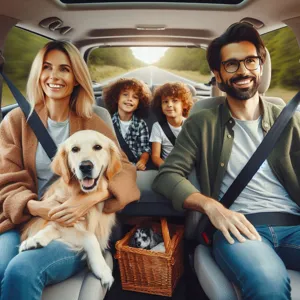
Not all SUVs are equal. These three models stand out because their interior architecture and specific technical options are engineered with animal logistics in mind.
1. The Subaru Outback: The Ergonomic Leader
The Outback features a remarkably low cargo floor height of approximately 27 inches. Its symmetrical AWD system provides stability, but the interior is where it shines. Subaru offers a genuine ‘Pet-Friendly’ accessory ecosystem. This includes factory-engineered pet partitions that lock into dedicated chassis mounting points rather than relying on weak tension rods. Expect roughly 32.5 cubic feet of cargo space with the seats up, perfect for large, hard-sided crates.
2. Honda Odyssey: The Volume King
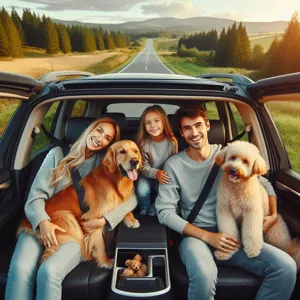
Minivans offer superior vertical clearance compared to SUVs. The Odyssey’s ‘Magic Slide’ seating allows you to pull the second row toward the center, creating an open floor space for a large crate directly behind the front seats. This keeps your pet within reach for monitoring. Furthermore, the integrated HondaVac system provides 10-15 minutes of constant suction, which is essential for managing shedding cycles that can produce up to 200 grams of fur per week in heavy-shedding breeds.
3. Volvo XC90: The Safety Benchmark
Volvo is the only manufacturer that treats pet safety as a core engineering pillar. Their steel dog gate is crash-tested to prevent cargo from entering the cabin during a collision. While the XC90 is premium, its ‘Load Protection’ package includes robust steel integration points that are vastly superior to aftermarket solutions. The cabin is also designed with an air filtration system (CleanZone) that reduces pet dander particles by up to 90%, a significant advantage for families with allergies.
Operational Best Practices for Travel
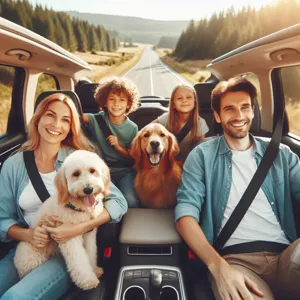
Ownership of a pet-friendly vehicle is only half the battle. You must manage the environment to maintain the value and safety of your investment.
- The 50% Fur Reduction Rule: Brush your dog for five minutes before loading. This simple habit captures loose hair in a brush rather than your car’s upholstery, potentially reducing vacuuming time by half.
- Hard-Shell Crate Security: Never rely on harness clips alone for large animals. Use a hard-shell, crash-tested crate secured by two heavy-duty ratchet straps attached to the vehicle’s chassis-bolted anchor points.
- Rubberized Protection: Install a heavy-duty, custom-fitted rubber liner that covers the floor and the back of the rear seats. These liners should have a ‘lip’ of at least one inch to contain spilled water or mud, which is inevitable after a park visit.
Common Mistakes That Cost You Money
The biggest error is choosing a luxury trim with light-colored, high-pile carpets. These act as Velcro for pet hair, and no amount of vacuuming will fully remove the debris. Also, avoid soft-touch plastics on the lower door panels; excited pets frequently scratch these surfaces while looking out windows, causing permanent aesthetic damage that will destroy your vehicle’s resale value.
Professional Field Advice
Always bring a measuring tape to the dealership. Measure your current pet crate’s height and width. Then, measure the aperture of the vehicle’s trunk opening when the tailgate is fully raised. Many buyers purchase a large SUV, only to find that the rear gate’s slope prevents their crate from fitting. Test the entry/exit flow with your pet present. If the animal hesitates to enter due to the jump distance or cabin layout, move to the next model. Your vehicle is a utility tool; ensure it fits the task before signing the contract.
Content updated on 2026-08-25