What Are the Best Cars for Accessibility?

Choosing an accessible vehicle is not about picking a car with the biggest trunk. It is about creating a mobile environment that preserves your independence. You need a platform that balances factory engineering with specialized mobility conversions. Making the wrong choice can lead to recurring mechanical issues and physical discomfort.
Understanding Mobility Conversions
Before purchasing, you must understand that most accessible vehicles are the result of a two-stage process. First, the manufacturer builds the chassis. Second, a mobility equipment manufacturer (or ‘converter’) modifies the vehicle. Think of it like buying a house: the manufacturer provides the frame, but the converter installs the accessible infrastructure like ramps and lowered floors.
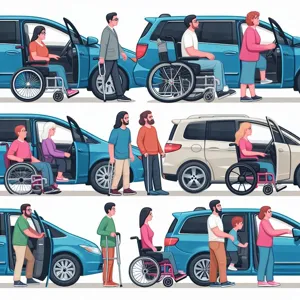
You must account for the conversion cost. A high-quality side-entry ramp system, including labor, typically ranges from $15,000 to $30,000 on top of the vehicle price. Always factor this into your total budget rather than focusing solely on the MSRP of the base vehicle.
Essential Pillars of Accessible Design
Your vehicle must pass a rigorous assessment before you sign any paperwork. Focus on these four mechanical requirements:
- Floor Lowering: A lowered floor is essential for interior clearance. Without it, you are limited to roof-mounted lifts which create a higher center of gravity and handling instability.
- Ramp Systems: Side-entry ramps are superior for parking lot utility, while rear-entry ramps are often more cost-effective. Ensure the ramp is ADA-compliant with a minimum width of 30 inches.
- Tie-Down Systems: Never use consumer-grade straps. Ensure the vehicle is equipped with a Q-Straint or similar crash-tested wheelchair securement system that meets NMEDA (National Mobility Equipment Dealers Association) standards.
- Electronic Interface: If you use hand controls, check that the vehicle’s CAN bus system is compatible. Modern cars are like computers on wheels; poorly installed controls can trigger electronic faults.
Top Industry-Standard Vehicles for Conversion
Conversion specialists prefer specific models because their electrical systems and suspension geometry handle modifications gracefully. Here are the top candidates for 2024.
1. Toyota Sienna (Hybrid)
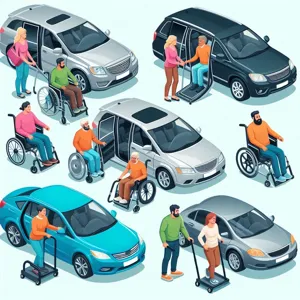
The hybrid powertrain is exceptionally reliable for the added weight of conversion gear. Its flat floor makes it the easiest vehicle in the industry to install a power ramp. The BraunAbility and Vantage Mobility (VMI) brands are the primary equipment manufacturers that specialize in this chassis.
2. Chrysler Pacifica
This is the industry benchmark for wheelchair accessibility. Chrysler works directly with mobility companies, meaning the van’s suspension is often factory-calibrated for the extra weight. It offers the smoothest ride for passengers with spinal cord injuries or heightened sensitivity to road vibrations.
3. Honda Odyssey

The ‘Magic Slide’ seating is an excellent feature if you need to retain some front-row passenger capacity. However, be aware that the Odyssey’s unique interior floor rails require more complex modification. Ensure your installer is a certified Honda mobility partner to maintain your warranty.
Avoid These Common Conversion Mistakes
The most common failure in this sector is the ‘mismatch’ error. Never purchase a vehicle from a standard dealership without consulting a mobility specialist first. Here is your roadmap to avoid a costly disaster:
- The Installer First Rule: Contact a NMEDA-certified dealer in your area. Ask them which chassis they see the least in the repair shop. Their feedback on long-term reliability is more valuable than any marketing brochure.
- The B-Pillar Conflict: When performing a transfer from your wheelchair to the driver’s seat, the B-pillar (the frame between the front and rear doors) is your biggest obstacle. Test the clearance specifically in the model you are considering.
- Weight Penalty Management: Ramps, batteries, and reinforcement steel add 300 to 600 pounds to the vehicle. This puts extra strain on your brakes and tires. Always upgrade to high-performance brake pads and check your tire pressure more frequently than the manual suggests.
- Homologation and Warranty: Ensure your conversion is fully homologated. If the conversion is not ‘certified’ by the equipment manufacturer, your factory warranty may be voided. Always ask to see the ‘Certificate of Conformity’ for the specific ramp and flooring kit.
Actionable Advice for Buyers
Accessibility is a long-term investment. Consider your physical needs for the next five years, not just today. If you expect your mobility requirements to change, invest in a vehicle with a modular interior where seats can be reconfigured or removed. Do not view the vehicle as a static object. View it as a dynamic system that requires regular maintenance on both the automotive side and the mobility hardware side. Always maintain a service log for your ramp hydraulics separately from your engine service records.
Content updated on 2026-09-11