What do I need to change spark plugs?
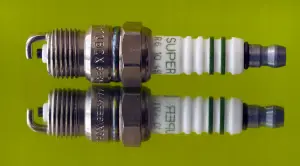
Changing your own spark plugs is a rite of passage for any car owner. It is a task that saves you hundreds in labor costs while ensuring your engine runs smoothly. However, this is not just about grabbing a random wrench from your drawer. If you use the wrong equipment, you risk stripping the threads in your cylinder head, which is a catastrophic repair that can cost thousands.
The Essential Toolkit for Professional Results
Before you even open the hood, you need to assemble the right gear. Think of your tools as an extension of your own hands. Having the correct specialized items ensures you don’t break the ceramic insulation on the plugs or damage the engine block.
- Magnetic Spark Plug Socket: Forget standard sockets. A spark plug socket has an internal rubber insert or magnet designed to cradle the fragile ceramic top of the plug. It prevents the plug from falling and cracking when you lower it into the engine well.
- Torque Wrench: This is non-negotiable. You need a tool that clicks when you reach the manufacturer’s specific torque setting. Think of it like a safety governor on a machine; it stops you from applying too much force and snapping the plug or stripping the delicate aluminum threads.
- Long Extensions: Engine spark plug wells are often deep and narrow. A 6-inch or 10-inch extension bar allows you to reach the plug without hitting sensitive engine sensors or surrounding plastic covers.
- 3/8-Inch Drive Ratchet: Avoid the massive 1/2-inch drive tools. A 3/8-inch ratchet provides the perfect balance of leverage and sensitivity, helping you feel if a plug is cross-threading before it is too late.
- Dielectric Grease: This clear silicone compound is vital. You apply a tiny amount inside the rubber spark plug boot. It acts like a protective seal, preventing the boot from fusing to the plug due to heat and ensuring a solid electrical connection.
- Gap Gauge: Do not assume new plugs are set perfectly. Even if they arrive ‘pre-gapped,’ always verify with a metal gap gauge. It is a thin, precision tool that ensures the electrode distance is exactly what your engine requires for an efficient combustion.
Preparation and Best Practices
Execution is 80% preparation. Never work on a scorching engine. Metal expands when it gets hot, which makes removing plugs difficult and puts unnecessary stress on your engine’s threads. Let the car cool down for at least two hours before starting.
The Golden Rules of Spark Plug Maintenance
- Clear the Path: Before removing an old plug, use a can of compressed air to blow debris out of the well. Grit or sand falling into the cylinder during removal can cause severe internal scoring.
- Thread by Hand: Always start the new spark plug into the hole by hand using only the extension bar. If you use a ratchet immediately, you might cross-thread the plug. Hand-threading ensures you feel the threads engage correctly.
- Label Your Cables: If your vehicle uses ignition wires, remove and replace them one by one. This prevents you from mixing up the firing order, which would make your engine run erratically or refuse to start entirely.
Professional Insight: What Your Old Plugs Are Telling You
Do not throw the old plugs away immediately. They are the ‘black box’ of your combustion process. Reading them can help you diagnose engine health issues before they become major failures.
- Black Sooty Deposits: This indicates your engine is running ‘rich,’ meaning it has too much fuel and not enough air. Check your air filter or fuel injectors.
- Oily Residue: If the threads are wet with oil, you likely have a failing valve stem seal or worn piston rings.
- Blistered Electrodes: This suggests your engine is overheating or running on low-octane fuel.
Common Pitfalls to Avoid
The most common mistake I see on the field is over-tightening. People often think ‘tighter is better’ to prevent leaks. In reality, modern plugs use crush washers that seal once they hit a specific torque level. Pushing beyond that point can deform the washer and cause compression loss.
Another classic mistake is neglecting the anti-seize application on the threads. While some modern plugs come with a specialized coating, applying a tiny, microscopic amount of high-temp anti-seize to the threads can save you significant trouble in the future. Just be careful not to get any on the electrode, as this can ruin the electrical path.
Ultimately, treat your engine with patience. Maintenance is not about speed; it is about precision. If you take your time, keep your workspace clean, and respect the torque specs in your manual, you will extend the life of your engine significantly. Always keep a clean cloth nearby to wipe up any spills and ensure your workspace remains orderly to avoid losing small parts like washers or clips.
Content updated on 2026-10-18