
Current Trends in Home Design: Beyond Aesthetics
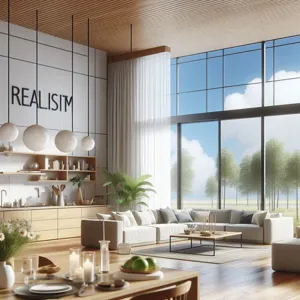
Home design in 2024 is no longer about replicating images from interior magazines. It is about building a high-performance environment that supports your physiological needs and professional life. Think of your home like a computer operating system: it must be efficient, adaptable, and free of background noise that drains your battery.
Biophilic Design: Practical Stress Reduction
Biophilic design is the science of human connection to nature. It is not just about aesthetics; it is a measurable way to lower cortisol—your body’s primary stress hormone—by up to 15% through environmental cues. The goal is to simulate natural patterns inside your four walls.
- Circadian Synchronization: Use smart bulbs that shift color temperatures. Aim for 5000K (cool daylight) during work hours to boost alertness and 2700K (warm amber) after sunset to trigger melatonin production.
- Materiality: Choose materials with high thermal mass and organic patterns. If you touch a surface and it feels like plastic, replace it. Opt for walnut, white oak, or honed limestone, which age gracefully and offer tactile stimulation.
- Air Quality Dynamics: Natural airflow is vital. If your space lacks cross-ventilation, invest in an HEPA-certified air purifier. Think of this as the lungs of your home, filtering out volatile organic compounds (VOCs) that lead to chronic fatigue.
The Rise of Multi-Modal Living
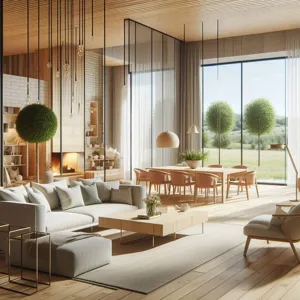
The concept of a single-purpose room is dead. If you have a room that is only used as a guest bedroom, you are wasting 90% of your square footage. Modern design treats space as a flexible resource that scales with your needs.
- Kinetic Furniture: Seek out pieces with dual-purpose mechanics. A wall-mounted Murphy bed is an entry-level solution, but consider modular sofas that can be reconfigured into a conference-style seating arrangement for work or a lounge layout for movies.
- Acoustic Zoning: Use heavy curtains or floor-to-ceiling shelving units as room dividers. These provide more than just visual separation; they dampen sound, which is essential for remote work productivity.
- Vertical Utilization: Most homeowners ignore the top 50% of their wall space. Install shelving that spans the entire height of the wall to draw the eye upward and keep your floor clear of physical clutter.
Sustainability as a Financial Strategy
Sustainability is often viewed as an ethical choice, but it is actually a smart financial one. Durable, non-toxic materials reduce maintenance costs and health-related expenses over time.
- VOC-Free Finishes: Standard paints off-gas harmful chemicals for years. Use zero-VOC paints to ensure your home’s air is as clean as the outdoors. This is a non-negotiable for anyone working from home.
- The 80/20 Upcycling Ratio: Keep 80% of your furniture base neutral and high-quality, and spend your remaining budget on 20% high-impact, upcycled, or vintage pieces. This creates a space that feels curated rather than bought in bulk.
- Material Longevity: Reclaimed wood is structurally superior because it has already finished shifting and warping. It is the best investment for high-traffic areas like dining tables or shelving.
The Soft Minimalism Philosophy
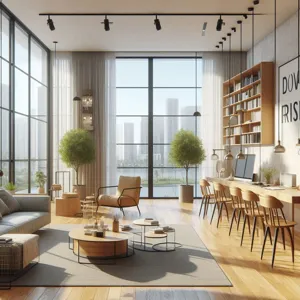
The clash between minimalism and maximalism is solved by Soft Minimalism. This approach focuses on simplicity of form combined with richness of texture. It is the difference between a cold office and a comfortable, focused study.
- Curated Foundations: Keep your color palette to three primary tones. Use 60% of your space for your main color, 30% for a secondary shade, and 10% for high-contrast accents.
- Narrative Decor: Limit your display items to objects that serve a function or have a personal history. If it is purely ornamental and collects dust, it is clutter.
- The 70/30 Rule: Dedicate 70% of your shelf or surface space to negative space—empty areas that allow the eye to rest. This reduces mental fatigue, which is a key goal in modern interior planning.
Smart Home Automation Without the Clutter
Technology should be felt but never seen. Visible wires or bulky plastic devices indicate a failure in the design process. Focus on invisible integration.
- Sensor-Based Climate: A smart thermostat is a standard tool for energy efficiency. Set it to lower the temperature by 2 degrees when you leave for the office; this simple habit saves roughly 10% on your annual heating costs.
- Automated Lighting Sequences: Program your lights to mimic the sun’s path. This reduces the need for manual adjustments and keeps your biological clock in sync with the actual time of day.
Field Tips: Errors to Avoid
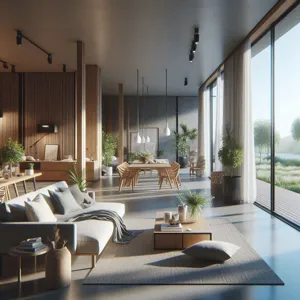
Even well-intentioned projects fail due to poor planning. Here are three common mistakes that kill the flow of a room:
- The Showroom Trap: Buying furniture from a single catalog makes your home feel like a display window. Mix at least two different eras or styles to create visual friction, which keeps the eye engaged.
- Lighting Strategy: A central ceiling light is often the worst way to illuminate a room. It creates harsh, overhead shadows that make spaces look smaller. Always use a combination of floor lamps for ambient light and desk lamps for task lighting.
- The Scale Miscalculation: Many people select furniture based on photos rather than measurements. Use masking tape to map out the footprint of a piece of furniture on your floor before you buy it. If the tape makes the room feel crowded, the furniture is too large.
Your home is a reflection of your habits. By focusing on flexible zones, sustainable materials, and curated items, you shift from living in a static structure to living in a home that works for you.
Content updated on 2026-08-31