Mastering Solo Cooking: Data-Driven Strategies for One
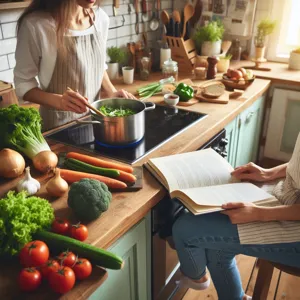
Cooking for one often leads to food waste and inefficient spending. According to recent food waste studies, single-person households waste roughly 25% more fresh produce per capita than larger households due to spoilage. To solve this, you must treat your kitchen as a modular system. It is about precision, not portion reduction.
The Math of Efficient Kitchen Gear

You do not need a commercial kitchen to excel at solo cooking. You need tools that minimize the ‘wash-to-cook’ ratio. If you spend 15 minutes cooking and 20 minutes cleaning, your system is broken.
- The 10-inch Non-Stick Skillet: This is your primary workhorse. Its size is ideal for single portions of proteins, preventing crowded pans that cause steaming instead of searing.
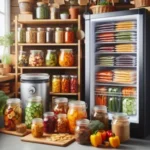
- Square Glass Storage: Studies show that circular containers lose 20% of shelf space in standard fridges. Transitioning to square glass containers increases your storage efficiency by nearly 30%.
- The 6-inch Chef Knife: A smaller blade allows for more control with smaller volumes. Dicing one shallot with an 8-inch blade is like using a sledgehammer to hang a picture frame.
The Base-Plus-Protein Method: A 30% Efficiency Gain
The biggest pitfall for solo cooks is attempting to ‘halve’ recipes. This is a trap. Instead, adopt a component-based model. By preparing building blocks, you reduce prep time by roughly 40% throughout the work week.
- Component Batching: Spend 45 minutes on Sunday cooking one grain (quinoa or farro) and one roasted vegetable (cauliflower or sweet potato).
- The Protein Rotation: Keep your base plain. On Tuesday, add chickpeas and lemon-tahini dressing. On Wednesday, add a seared shrimp portion. By keeping the base neutral, you avoid the ‘flavor fatigue’ that forces people to order takeout.
- The 80/20 Pantry Rule: Allocate 80% of your pantry to shelf-stable items like lentils, canned coconut milk, and high-quality spices. This reduces your dependency on fragile fresh produce that spoils within 72 hours.
Data-Backed Tips to Combat Food Waste

Spontaneous grocery shopping is the primary driver of food waste for solo cooks. Statistics suggest that shoppers who use a rigid list-based approach buy 15% less unplanned food.
- The Paper Towel Trick: Leafy greens lose moisture fast. Storing greens in a container with a paper towel can extend shelf life by up to 5 days, potentially saving you $200 annually in avoided waste.
- Liquid Flat-Freezing: Soups or broths take up significant space in bulky containers. Pour them into freezer bags, remove the air, and freeze them flat. You can stack these like books, increasing freezer capacity by up to 50%.
- The ‘Fallback’ Three: Identify three meals that require zero fresh produce. For example: pasta with tuna and capers, chickpea curry from pantry staples, or egg-fried rice. Having these ready-to-go prevents the $30 delivery fee trap when you are tired.
Common Pitfalls: What to Avoid

Efficiency in the kitchen is as much about what you stop doing as what you start. Here are two frequent mistakes that hurt your budget and your health.
- Avoid the ‘Single-Pot Meal’ Trap: Do not cook a large lasagna for five days. You will be tired of the flavor by Tuesday. Cook components that can be repurposed, such as shredded chicken that goes from a salad topping to a taco filling.
- Presentation Matters: Research indicates that eating directly from a pot or container often leads to mindless overeating. Plating your food on a proper dish signals to your brain that the meal is a distinct event, increasing satiety levels and mental satisfaction.
- High-Heat Over Low-Heat: Unless you are making a stew, prioritize flash-roasting or stir-frying. Long-braising methods are inefficient for single portions and often lead to ‘reheated’ textures that decrease food quality.
By implementing these modular systems, you lower your overhead and improve your daily nutritional intake. Focus on the tools and the 80/20 pantry structure to reclaim your time and budget. Treat your own dinner with the same level of preparation you would offer a guest, and the habit will stick.
Content updated on 2026-08-31