Choosing the Best Travel Accessories for Your Pet
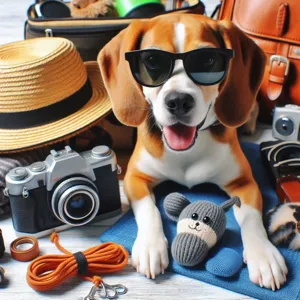
Traveling with a pet requires more than just enthusiasm; it demands a strategic approach to gear. Whether you are hitting the highway or heading to the airport, the right equipment acts as an insurance policy for your pet’s stress levels and your peace of mind. Here is a breakdown of the most effective travel tools that solve real-world problems on the road.
High-Performance Pet Carriers: Beyond Airline Compliance
A carrier is not just a box; it is your pet’s sanctuary in a loud, unfamiliar environment. For air travel, ensure your carrier meets IATA (International Air Transport Association) standards. For road trips, prioritize crash-tested soft-sided carriers that attach directly to the vehicle’s seat belt system. Avoid flimsy carriers; look for reinforced mesh panels that resist clawing and a rigid, leak-proof floor.
- Top Recommendation: The Sleepypod Mobile Pet Bed. It functions as a cozy bed at home, a safe car seat, and an airline-approved carrier.
- Pro Tip: Place your pet’s favorite unwashed blanket inside the carrier three days before departure. The scent of home is the most effective natural sedative you have.
Secure Restraint Systems: The Non-Negotiables
An unrestrained pet in a car is a projectile during sudden braking. Traditional collars are dangerous because they put pressure on the trachea during impact. You need a dedicated harness-and-tether system.
- The Setup: Use a crash-tested harness connected to a seat belt tether. Never connect a leash to a standard collar while driving.
- Error to Avoid: Do not let your dog hang their head out of the window. Flying debris or sudden steering maneuvers can cause serious injury or lead to your pet leaping out of the vehicle.
Hydration and Nutrition: Managing the Mess
Dehydration is a hidden risk during travel, especially when pets are too anxious to drink from a standard bowl. You need spill-proof solutions that keep water accessible without soaking your car upholstery.
- Recommended Gear: Collapsible silicone bowls with a carabiner are great for hiking, but for the car, use a non-spill travel water bottle with a built-in trough.
- Maintenance: Keep a gallon of your pet’s regular drinking water from home. Switching to local water at your destination can sometimes cause digestive upset in sensitive pets.
Travel-Friendly First Aid and Hygiene
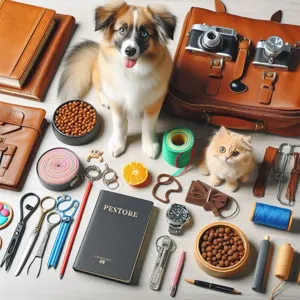
You cannot always rely on finding a vet at 2:00 AM in a remote area. A specialized pet first-aid kit is essential. Your kit should include:
- Sterile Gauze and Vet Wrap: For paw lacerations or minor wounds.
- Pet-Safe Antiseptic: Specifically formulated for animal skin.
- Digital Thermometer: Knowing how to take your pet’s temperature can help a remote vet diagnose emergencies over the phone.
- Waste Management: Carry double the amount of poop bags you think you need, plus a portable pack of unscented, pet-safe grooming wipes for muddy paws.
Calming Aids for High-Stress Journeys
If your pet suffers from travel anxiety, waiting until you reach the airport is too late. Calming strategies must start days before the trip.
- Pheromone Sprays: Products containing synthetic pheromones, like Feliway for cats or Adaptil for dogs, mimic natural calming signals. Spray these inside the carrier 15 minutes before loading your pet.
- Compression Gear: Anxiety wraps (like the Thundershirt) apply gentle, constant pressure, which helps lower the heart rate of most anxious animals.
- Important Warning: If you are considering sedatives, consult your vet at least two weeks before travel. Never test a new medication on the day of the trip; you need to see how your pet reacts to it in a controlled environment first.
Organizing Your Paperwork
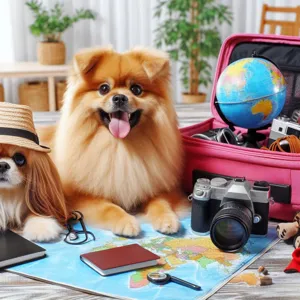
Documentation is the most overlooked aspect of pet travel. If you are flying or crossing borders, this is non-negotiable. Keep a physical folder and a digital backup (on your phone) containing:
- Rabies Vaccination Certificate: Must be signed by a licensed veterinarian.
- Health Certificate: Required by most airlines within 10 days of flight.
- Identification: Ensure your pet’s microchip information is updated with your current mobile number. Use an ID tag that lists your cell phone number, not your home address.
Final Field Advice
The secret to successful travel is routine. If you stop for gas, make it a full stop for your pet. Exercise them for 10 minutes at every break to burn off adrenaline. If you arrive at a hotel, walk your pet around the perimeter of the property before entering the lobby. It allows them to scent-mark their new temporary territory, which significantly reduces the likelihood of indoor accidents.
Content updated on 2026-10-14