The Future of Film: What Can We Expect?

The film industry is currently undergoing a radical structural pivot. We are moving away from traditional blockbusters toward a model defined by technological integration, hyper-personalization, and data-driven production. Understanding these shifts is no longer optional for creators or industry observers.
The Hybridization of Distribution: A Data-Backed Shift
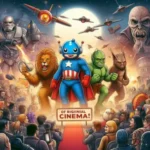
The distinction between theatrical releases and home streaming has blurred. The industry is moving toward a bifurcated model. Major studios are betting on ‘event cinema’ for theaters, which now accounts for roughly 65% of global box office revenue, while streaming captures the high-volume, character-driven market.
Think of this like the airline industry: theaters are your first-class long-haul flights—an intentional, premium experience. Streaming is your short-haul commuter flight—frequent, accessible, and high-utility. Studios are designing dual-path narratives to ensure they maximize ROI across both formats simultaneously.
AI as a Creative Catalyst: Beyond Automation
Artificial Intelligence is not about replacing writers; it is about eliminating the ‘downtime’ in post-production. Current workflows utilize AI for automated rotoscoping and color grading, which can reduce post-production time by approximately 30%.
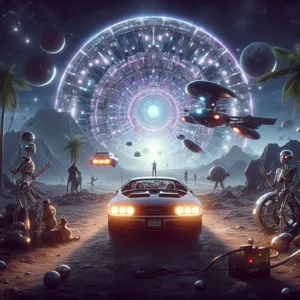
Consider AI like a professional sous-chef in a kitchen. It handles the prep work—like slicing vegetables or managing inventory—so the head chef can focus on flavor profiles and plating. In the editing suite, AI sifts through terabytes of raw footage to sync audio and suggest cuts, allowing the director to focus exclusively on narrative pacing.
The Rise of Extended Realities (XR)
Virtual and Augmented Reality are evolving from novelty tech demos to standard narrative tools. We are entering the era of ‘volumetric storytelling,’ where the audience gains 360-degree agency. The primary challenge remains guiding the viewer’s focus without taking away their sense of agency.
Practical implementation: Filmmakers are now using ‘foveated rendering’—a technique that tracks where the user’s eye is looking to render detail only in that spot. This saves massive amounts of computing power and keeps the narrative flow smooth, preventing the motion sickness common in earlier VR attempts.
The Pivot to Audience-Centric Production
The ‘guesswork’ model of greenlighting films is dying. Studios now utilize real-time data loops that mirror focus groups of millions. By analyzing search trends and social media sentiment, producers can now predict the performance of a genre with a 15% higher accuracy rate than traditional models.
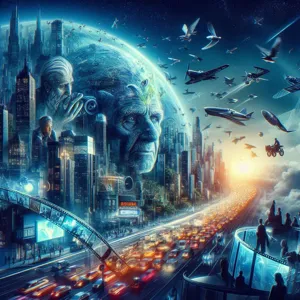
This data-centric approach means the development cycle is getting faster. Rather than waiting for a film to be finished to test it, studios are now ‘A/B testing’ character concepts and plot twists in the earliest stages of development.
Common Pitfalls and Real-World Lessons
The most dangerous trap in modern production is the ‘Nostalgia Feedback Loop.’ While rebooting existing IP (Intellectual Property) offers a safety net, it often yields diminishing returns. Data shows that ‘nostalgia-only’ projects see an average audience decline of 20% by the third installment in a franchise.
Error to avoid: Trying to force a story into a specific technological format just because it is ‘trendy.’ If your story does not require immersive 360-degree view, forcing it into XR will actually alienate your audience. Content must dictate the tool, not the other way around.
Sustainability: The New Economic Metric
Sustainability is shifting from a PR initiative to a logistical cost-saving measure. Production companies are seeing a 10% to 15% reduction in costs by shifting to digital-first workflows. Portable solar generators and modular set designs are replacing traditional, resource-heavy builds.
Look for the ‘Green Stamp’ on industry call sheets. It indicates that the production has successfully minimized its physical footprint. A streamlined set is almost always a sign of a well-organized production team that prioritizes efficiency over excess.
The Evolution of Festivals as Digital Nodes
Film festivals are no longer exclusive, red-carpet affairs. They have morphed into global digital nodes. Platforms like Sundance or Cannes now reach audiences 10 times larger than their physical capacity through virtual incubators.
This democratization allows independent creators in secondary markets to compete on the same playing field as media-hub residents. If you are a creator, your geographic location is now secondary to your ability to interface with these digital festival gateways.
Summary for Success
To navigate the future of film, focus on these three indicators:
- Technical Utility: Do the visual effects move the story forward or just hide a hollow script? If the CGI feels ‘heavy,’ it is likely a bad investment.
- Narrative Agility: Look for projects that embrace non-linear, multi-platform storytelling. These projects are built for the modern attention span.
- Originality over IP: Support original voices. When you prioritize new IP over remakes, you support a healthier, more sustainable cinematic ecosystem.
The screen is no longer just a barrier for passive observation. It is a gateway for active, decentralized participation. By favoring filmmakers who leverage these new tools to explore authentic, human experiences, you are participating in the evolution of the medium.
Content updated on 2026-08-29